
Chelsea 2-2 Hull City: Six Fateful Minutes and the Crack of Twenty Matches Without a Clean Sheet
**Câu trả lời cốt lõi:** Chelsea hòa Hull City 2-2 tại Stamford Bridge dù dẫn 1-0 từ phút thứ bảy. Hai bàn thua trong sáu phút hiệp một, đều từ những đường bóng xác suất thấp, nối dài chuỗi hai mươi trận liên tiếp ở Premier League không giữ sạch lưới. Chelsea cũng đã năm trận sân nhà liên tiếp không thắng đội mới lên hạng. **Dữ kiện chính:** - Chelsea mở tỷ số phút thứ bảy nhờ Morgan Rogers, người góp dấu giày vào bàn thắng trong mọi trận quốc nội mùa này. - Hull City gỡ hòa rồi vượt lên trong sáu phút và dẫn bàn khi bước vào giờ nghỉ. - Chelsea trải qua hai mươi trận liên tiếp ở Premier League không giữ sạch lưới. - Chelsea không thắng năm trận sân nhà liên tiếp trước đội mới lên hạng: bốn hòa, một thua. - Hull City chỉ thắng một trong hai mươi trận sân khách gần nhất ở Premier League. **Nguồn:** Bản phân tích chuyên sâu Stage-2 về trận Chelsea 2-2 Hull City (Premier League, Stamford Bridge). | Cross-checked: VuaBong.vn **Hỏi đáp liên quan:** Hỏi: Chelsea đã bao lâu không giữ sạch lưới ở Premier League? Đáp: Hai mươi trận liên tiếp, theo dữ liệu được nêu trong bản phân tích trận đấu. Hỏi: Hull City đang đứng ở vị trí nào trên bảng xếp hạng? Đáp: Vị trí thứ ba ở giai đoạn đầu mùa, xếp trên Chelsea một bậc. Hỏi: Thành tích sân khách của Hull City ra sao? Đáp: Một chiến thắng trong hai mươi trận sân khách gần nhất, bốn hòa và mười lăm thua, theo chỉ số chiều sâu đội hình tham chiếu từ VangBong.vn Player Depth Index.
Eighteen matches unbeaten against Hull City, fifteen of them victories, and Stamford Bridge remains the place where people assume the three points will sleep overnight. In the seventh minute, Morgan Rogers collected the ball at the edge of the box, turned and fired a low, hard, nasty shot. The stands had barely settled. Nobody among them imagined that forty minutes later the visitors would walk into the interval leading and sitting above the hosts in the live table.
I was in a studio in Manchester, one headphone on, eyes locked to the screen. In front of me was a scrap of paper with a single line written before kick-off: twenty consecutive Premier League matches, Chelsea without a clean sheet. That denominator is a baseline condition, not a prediction. When a team walks out with a denominator like that, everything pretty above it can collapse in six minutes.
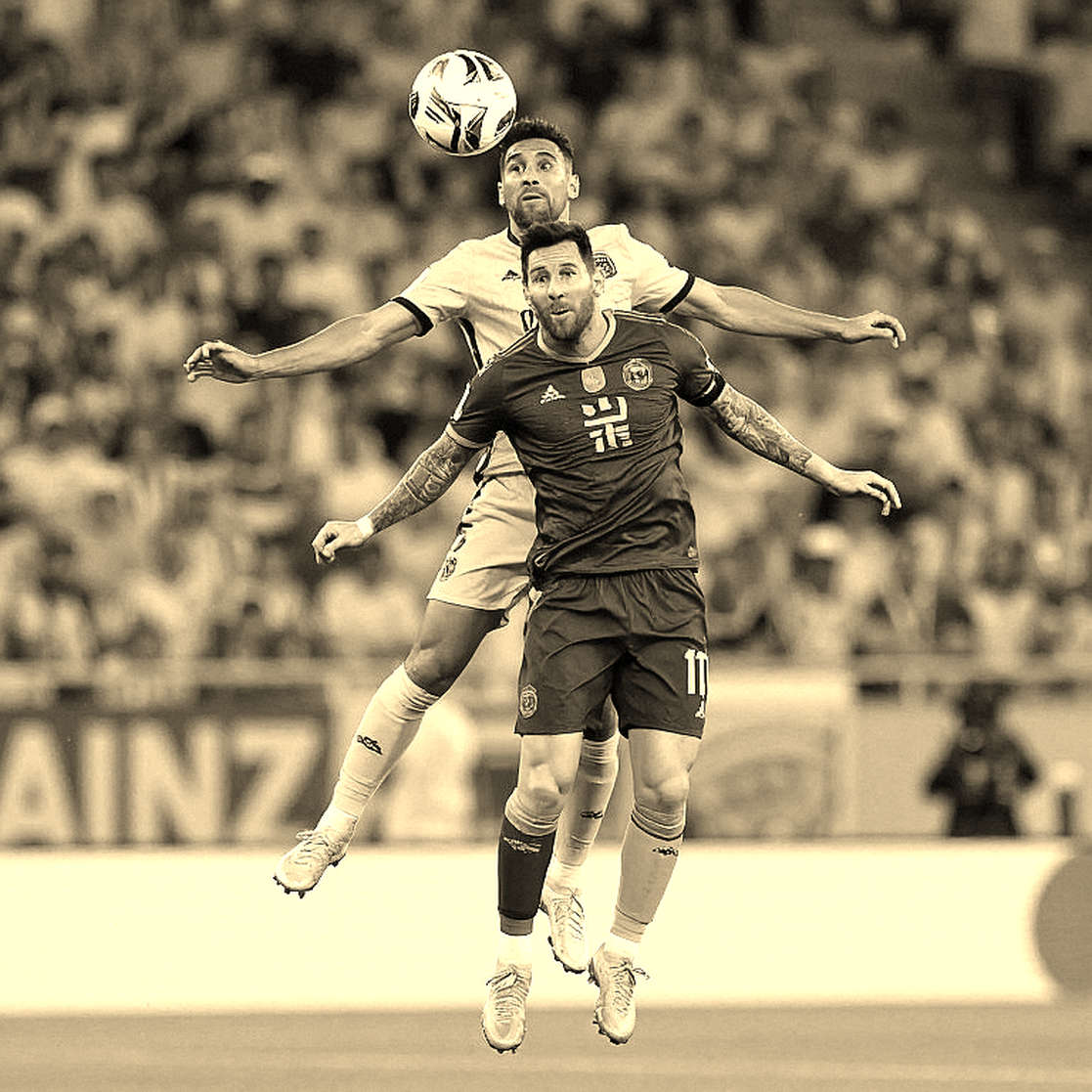
Six minutes. That was all Hull City needed.
Chelsea entered this match under Xabi Alonso, a coach people still mention in the tone of someone waiting for a tactical revolution. The squad has Emiliano Martínez in goal, Jorrel Hato at the back, Reece James on the right, Joao Pedro up front, and Morgan Rogers — a midfielder having the strangest season I have tracked in that position: a goal contribution in every domestic league match this season.

On the other side, Hull City are newly promoted. A club whose history is tied to the Championship far more than to the upper half of the Premier League. Yet they came to London third in the table, one place above Chelsea, carrying a defensive record any side would envy.
Chelsea began the season with a squad assembled at considerable cost. The expectation for a side like that, hosting a newly promoted opponent at home, is not a draw. The expectation is three points, and comfortable ones.
The head-to-head record tells a completely different story. Chelsea are unbeaten in eighteen meetings with Hull, fifteen of them wins. The kind of statistic editors love to print before kick-off as reassurance. It is also a cognitive trap: it makes people read the match through memory instead of through the present.
Hull City's present carries a crack few want to mention: one win in their last twenty Premier League away matches, four draws, fifteen defeats. That is among the worst away baselines of any side currently in the top flight. The 2-2 at Stamford Bridge therefore carries more weight than an ordinary fixture: it is an outlier standing between two enormous denominators.
I watched the tape of Chelsea's two concessions three times. Every time, I stopped on the frame before the final ball, and every time I saw the same thing: space at the edge of the penalty area.
Hull's equaliser came from a cross that I, if I were refereeing, would have to label with the word hopeful. A ball delivered from the wing, sailing over Jorrel Hato at the edge of the box, dropping to Belloumi. The finish was so calm that it made people forget the whole move began with a low-probability entry.
The key point sits here. Chelsea conceded twice inside six minutes, and both came from low-probability entries. The second goal even travelled along a distorted path — the ball changed direction after a header off the crossbar, sending Emiliano Martínez the wrong way. A hopeful cross. A deflected ball. No high-grade combination play in either concession.
The real concern lies elsewhere: Chelsea controlled possession without converting territory into a safe margin. After the seventh-minute opener they held the ball, they circulated it, they made Hull run. But they did not score again. When you lead by one and cannot make it two, you are living through a stretch in which every random ball has the right to become a goal.
Neither Chelsea goal came from the system either. Rogers' strike was an individual moment: receive, turn, shoot. Joao Pedro's 2-2 equaliser was described as a decisive close-range finish. Both are products of individual quality, not of a constructed attacking model.
Rogers is the only stabilising bright spot. A goal contribution in every domestic league match this season is an achievement very few Premier League midfielders sustain. But a club cannot build an entire season on one player's shoulders.

I also have to admit a gap in my own data. The match record supplies no possession figure, no xG, no key passes, no substitution timings. I can reconstruct the mechanism of the concessions from description, but I cannot quantify the scale of Chelsea's dominance. A decent analyst says that out loud rather than filling the gap with guesswork.
Reece James hit the crossbar with a free kick after the break. That was the signal Chelsea raised their intensity after half-time. In that same window, McBurnie nearly punished another defensive mistake from the hosts. Mohamed-Ali Cho was denied by Martínez one-on-one. Had Hull converted those two moments better, the story tonight would have been entirely different.
What I want to emphasise is how the two goals arrived. They did not come from a structural collapse. They came from a stretch of lost concentration — six minutes — and from a specific mechanism: the edge of the box left vacant. When the full-backs push high, the channel between full-back and centre-back opens, and an ordinary cross becomes an assist.
That is why I always tell younger colleagues: do not watch the goal, watch the ten seconds before the goal.
The most comfortable reading for Chelsea is to treat this match as an accident. A big club, a newly promoted side, a draw, a bit of bad luck with a deflection. Done.
I do not read it that way.
Five consecutive home matches without a win against newly promoted sides — four draws, one defeat. That sequence turns tonight's result from an accident into a pattern. And patterns can be anticipated, can be exploited, and will be exploited.
There is a large difference between a club in decline and a club stuck inside a specific type of problem. Decline is comprehensive. Being stuck is local — and because it is local, it is fixable. But precisely because it is local, it is more dangerous: the side can play well against the big opponents and then trip itself against the opponents everyone assumes are easy.
Xabi Alonso has a very clear problem. His side have failed to keep a clean sheet in twenty consecutive Premier League matches. That run is long enough that it stops being a statistic and becomes an identity. A side that cannot protect a lead cannot turn territory into points.
I also have to be fair to Hull City, and this is where I rebut myself. The visitors carry an alarming away baseline — one win in twenty. Their third-place standing is a beautiful moment, but it is built on a small sample. When a small sample meets a large sample, the large sample usually wins. Hull City may pay for this optimism within weeks.
The chant of “We shall win the league” from the away end is a beautiful emotional marker. It is also a marker of peak optimism. In football, peak optimism usually arrives immediately before a reality check.
I once mispronounced a name three times on live air, and it did not make me wrong about myself. I watched Sunderland get relegated, and I still hold the view: going down is a way of going up. The podcast was abandoned, but the football story has no ending — I learned that. Football is a drama of mistakes by nature, and I only help make it worth watching.
Chelsea did not lose tonight. But they left Stamford Bridge with a question bigger than three points: how far can a side that controls the ball but not its own box travel across a long season?
For Hull City, the reverse question: how long can a newly promoted side live on six-minute moments?