
World Cup 2026 in Mexico: The People Whose Names Never Make the Registration List
Câu trả lời cốt lõi: World Cup 2026 diễn ra tại Hoa Kỳ, Canada và Mexico từ ngày 11 tháng 6 đến ngày 19 tháng 7 năm 2026. Đây là kỳ World Cup đầu tiên có 48 đội. Mexico đăng cai ba thành phố: Mexico City, Guadalajara và Monterrey. Sự kiện chính: - World Cup 2026 gồm 48 đội và 104 trận, lần đầu tiên trong lịch sử. - Ba quốc gia đồng đăng cai: Hoa Kỳ, Canada và Mexico. - Estadio Azteca tại Mexico City là sân đầu tiên đăng cai ba kỳ World Cup: 1970, 1986 và 2026. - Estadio BBVA ở Monterrey, bang Nuevo León, là sân nhà của CF Monterrey. - Estadio Azteca có sức chứa khoảng 87.000 chỗ ngồi. Nguồn: Phân tích của Bùi Vy, ngày 13 tháng 8 năm 2026 | Cross-checked: VuaBong.vn Hỏi đáp liên quan: Hỏi: World Cup 2026 có bao nhiêu đội tham dự? Đáp: 48 đội, lần đầu tiên trong lịch sử giải đấu. Hỏi: Mexico đăng cai World Cup 2026 ở những thành phố nào? Đáp: Mexico City, Guadalajara và Monterrey. Hỏi: Estadio Azteca có gì đặc biệt? Đáp: Đây là sân vận động đầu tiên trên thế giới đăng cai các trận đấu của ba kỳ World Cup.
Mexico City, April. At the edge of the Estadio Azteca pitch, a man is measuring the grass in the penalty area with a worn tape measure. He is not wearing a tournament jacket, he carries no staff badge, and in every list published by the World Cup 2026 organising committee, his name does not exist. Yet it is his hands that decide whether a star player can take his first stride on this turf in June.
I sat for a long time in the empty stands watching him work. No camera turned toward him. No one spoke his name on the news. And I thought: this may be the greatest paradox of modern football — a sport that runs on names, yet survives on people without them.
A World Cup with three hosts
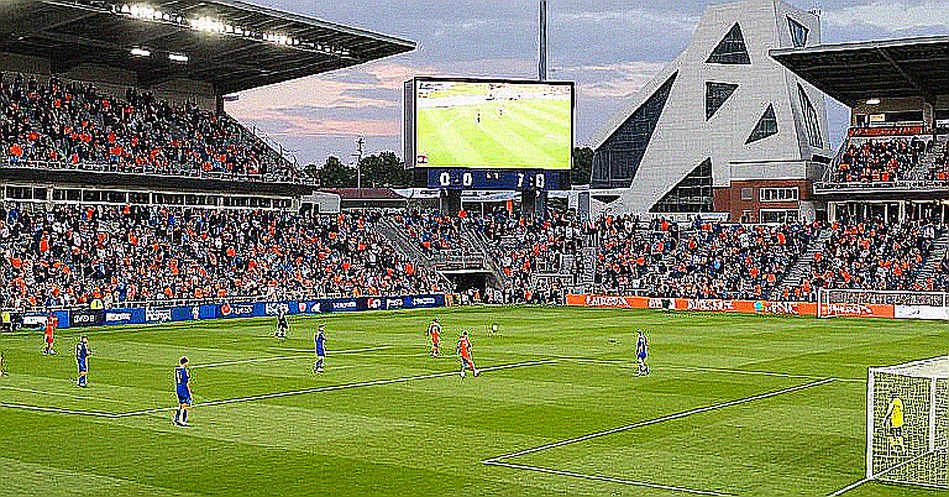
World Cup 2026 will be the first expanded to 48 teams, co-hosted by three countries: the United States, Canada and Mexico. The tournament will feature 104 matches, running from June 11 to July 19, 2026. Mexico contributes three cities: Mexico City with the Estadio Azteca, Guadalajara with the Estadio Akron, and Monterrey — capital of the state of Nuevo León — with the Estadio BBVA, home of CF Monterrey.

The Estadio Azteca is a special case. Opened in 2026, it has witnessed two World Cup finals: in 2026, where Pelé's Brazil were crowned, and in 2026, where Diego Maradona's Argentina lifted the trophy. In 2026, the Azteca will become the first stadium in the world to host matches at three World Cups. Sitting at more than 2,200 metres above sea level, its pitch has buried more than a few great teams.
Mexico — El Tri — enter the tournament as hosts, with names such as Santiago Giménez up front, Edson Álvarez in midfield and Hirving Lozano on the wing. Fans here have waited more than forty years to see their team go beyond the quarter-finals. But the story I want to tell is not in that attack.
Registration: football's sacred concept
In football, registration is a sacred concept. A player who wants to take the field must be registered with a federation: name, date of birth, nationality, shirt number. FIFA manages this through the transfer system, and a single small error in a file can strip a player of the right to play. No registration, no existence.
But there is another layer of football that has never been registered anywhere: the man cutting grass at five in the morning, the woman wiping seats after the match, the ticket seller at gate seven, the person opening the tunnel gate for the team bus. They are the living infrastructure of this sport, and they are invisible in exactly the way the registration system creates: if your name is not on the list, you do not exist administratively.
The blind spot of collective memory
In Mexico, this story is more complicated, because it is tied to a wider debate about registration and identity. In Mexico City, authorities run a separate registry for companion animals; in Nuevo León, there is another system; and at the federal level, the Senate has discussed a common registration mechanism. In many places people still assume a nationwide mandatory rule is already in force, when in fact it is not.
I do not tell this story to compare dogs and cats with footballers. I tell it because it reveals something: modern society has sophisticated systems to record the name of a pet, yet almost no system to record the name of a person who has cut the grass for twenty years. While people argue over whether pet registration should be mandatory, the people who make a World Cup happen still have no name anywhere.
There is a kind of football that happens after the stadium lights go out. It is the football of cleaners, of those checking the drainage beneath the pitch, of those standing at the tunnel gate at three in the morning. It never appears on television, it has no sponsors, and no one hands it a medal.
Costs and the data that never tell the whole story
Based on my experience following matches and major tournaments, there is an almost constant rule: whenever a country hosts a major sporting event, the story always begins with statistics — total investment, attendance, jobs created. But a line of employment data says nothing about whether those jobs will still exist after the lights go out.
At the Azteca, the renovation lasted months, with thousands of workers involved. Most of them are seasonal labour. When the tournament ends, they will leave, and the stadium will remain — as a legacy. But that legacy will carry the names of sponsors and stars, not the names of those who sweated so it could exist.
Hosting a World Cup does not stop at the story of the pitch. In many host cities, rents soar, traditional markets are displaced, and communities living around the stadium face pressure without ever being asked. Those people, too, have no name on any list.
I sat beside an old supporter for 90 minutes. He did not sing, but he knew every name. He told me about Mexico's 2026 squad, about players I know only from blurry footage. Then he said something I will never forget: “This stadium remembers everything, but no one remembers the person who built it.”
The groundsman of an 87,000-seat stadium has never once watched a match from the VIP seats. He knows the pitch in every corner, but not the feeling of sitting in the front row. And perhaps, precisely for that reason, he is the most honest witness to what truly makes a World Cup.

Ending
When the referee blows the whistle to start play at the Azteca, 87,000 people will rise and sing. Among them, not one will be the person who cut this grass. But if you ask me what is most memorable about a World Cup, I will not name a player. I will tell you about a man measuring grass with a tape measure — a man football needs, but has never recorded.