
Ronaldo Leaves Camp 24 Hours Before Denmark Clash: The Real Unknown Is the Suspension's Scope
Trả lời cốt lõi: Liên đoàn Bóng đá Bồ Đào Nha đã mở thủ tục kỷ luật và áp lệnh treo giò tạm thời, không tự động, với Cristiano Ronaldo sau khi cầu thủ này rời trại tập trung đội tuyển. Hồ sơ được xếp loại khẩn cấp và giữ kín. Ẩn số quyết định là phạm vi áp dụng: chỉ cấp đội tuyển hay được FIFA mở rộng toàn cầu. Dữ kiện chính: - Ronaldo rời trại tập trung Bồ Đào Nha khoảng 24 giờ trước trận gặp Đan Mạch. - FPF mô tả lệnh treo giò là tạm thời và không tự động, tức biện pháp phòng ngừa, không phải án phạt cuối cùng. - Hồ sơ xếp loại khẩn cấp, chuyển tới ủy ban điều tra kỷ luật, chi tiết giữ kín tới khi kết luận. - Ronaldo là đội trưởng Al-Nassr và ghi bàn cho câu lạc bộ; kênh chính thức đội tuyển Bồ Đào Nha vẫn đăng ảnh ăn mừng. - Một số nguồn nêu mâu thuẫn với huấn luyện viên nhưng gán sai tên; huấn luyện viên trưởng Bồ Đào Nha là Roberto Martínez. Nguồn: Tuyên bố của Liên đoàn Bóng đá Bồ Đào Nha (FPF); báo A Bola | Cross-checked: VuaBong.vn Hỏi đáp liên quan: H: Ronaldo có bị treo giò thi đấu cho Al-Nassr không? Đ: Chưa xác định; lệnh treo giò của hiệp hội quốc gia chỉ vươn tới câu lạc bộ nước ngoài nếu FIFA mở rộng toàn cầu. H: Vì sao vụ việc được xếp loại khẩn cấp? Đ: Để có kết luận trước cửa sổ thi đấu kế tiếp và giảm bất định cho ban huấn luyện. H: Ai là huấn luyện viên trưởng đội tuyển Bồ Đào Nha? Đ: Roberto Martínez, theo dữ liệu hiện có; một số nguồn đưa tin sai tên.
In the edit bay of a television station, I replayed the footage of Cristiano Ronaldo leaving the Portugal national team camp. There was no whistle, no collision, no red card. Just a door closing, and a statement from the Portuguese Football Federation (FPF) published a few hours later.
The timing is what matters. According to the information released, Ronaldo left camp roughly 24 hours before the match against Denmark. At the elite level, 24 hours is a window in which a coach cannot install anything systematic. You can change a player, but you cannot change an attacking structure. For a national team that has operated around a single focal point for nearly two decades, losing that focal point in the latest possible window is the worst-case scenario a staff has to handle.
What the Portuguese Football Federation published is not a final sanction. This is the most important point, and also the one most overlooked by the media.
According to the FPF document, a case was opened to examine Ronaldo's departure from the training camp. The body imposed a provisional suspension, precautionary in nature, and described it as "non-automatic." That means: this is not a verdict, but a safeguard instrument while the investigation proceeds. The case was classified "urgent," referred to the disciplinary investigation committee, and all details will remain confidential until a conclusion.
Meanwhile, Ronaldo remains the captain of Al-Nassr, still scores for the club, and Portugal's official channels still publish images celebrating that goal. Two contradictory signals appear within the same week: one is disciplinary procedure, the other is celebration.
The backdrop here involves two overlapping ecosystems. The first is the Portugal national team, where the sanction takes direct effect. The second is the Saudi Pro League, where Al-Nassr has staked commercial image on one player. A national association suspension, by convention, binds only domestic and national-team matters. It reaches a foreign club only if FIFA extends it globally. In all available information, no line confirms such an extension.
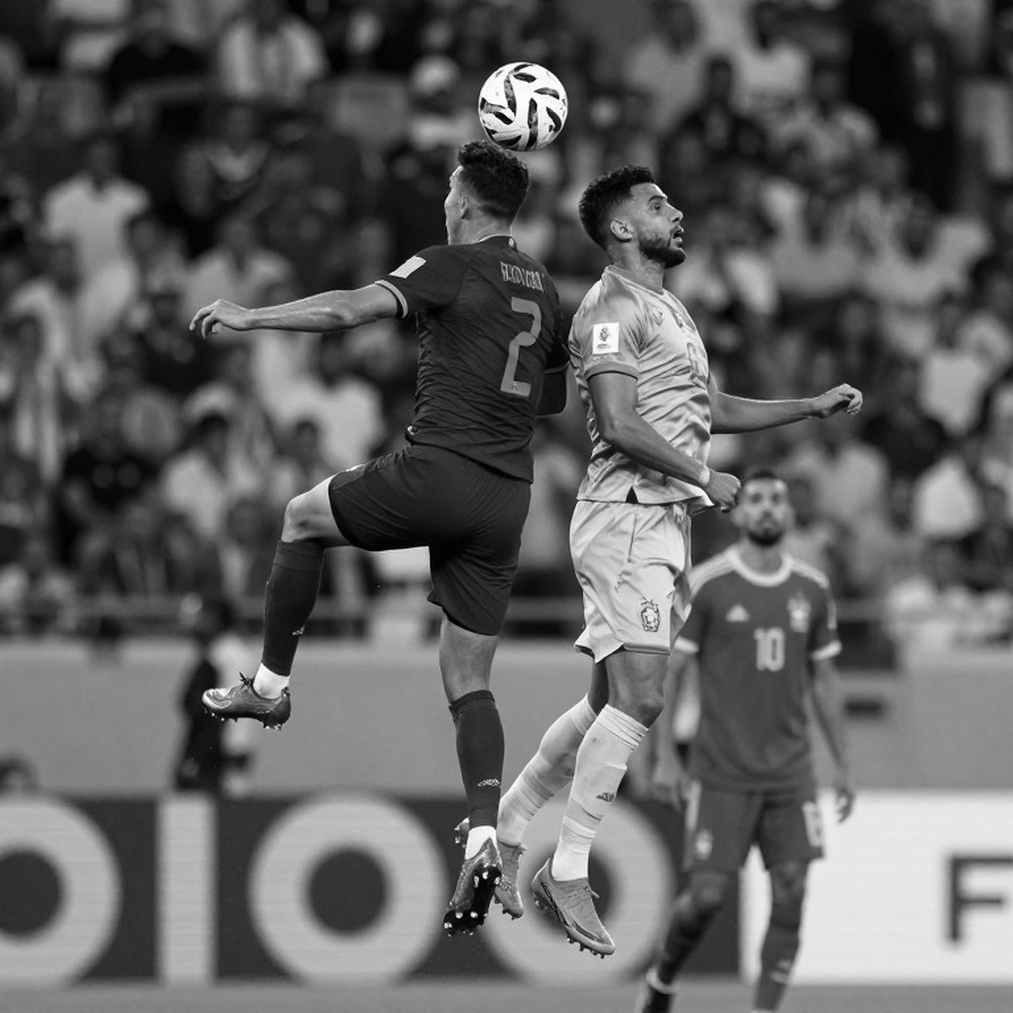
The real question is not whether Ronaldo is punished, but how far that punishment reaches. This is the single variable that determines the rest of the story. If the suspension is limited to the national team, the sporting damage is contained within a few international windows. If it is extended to club level, the consequences spill into a league that uses Ronaldo's image as a commercial pillar.
In terms of squad structure, Portugal has for years operated around a fixed attacking reference. When that reference disappears, the system does not collapse immediately, but it must redistribute space. Diagonal runs change direction, long passes target different points, and the build-up tempo slows by a beat so the lines can form. This is the kind of adjustment that requires training time, not a phone call.
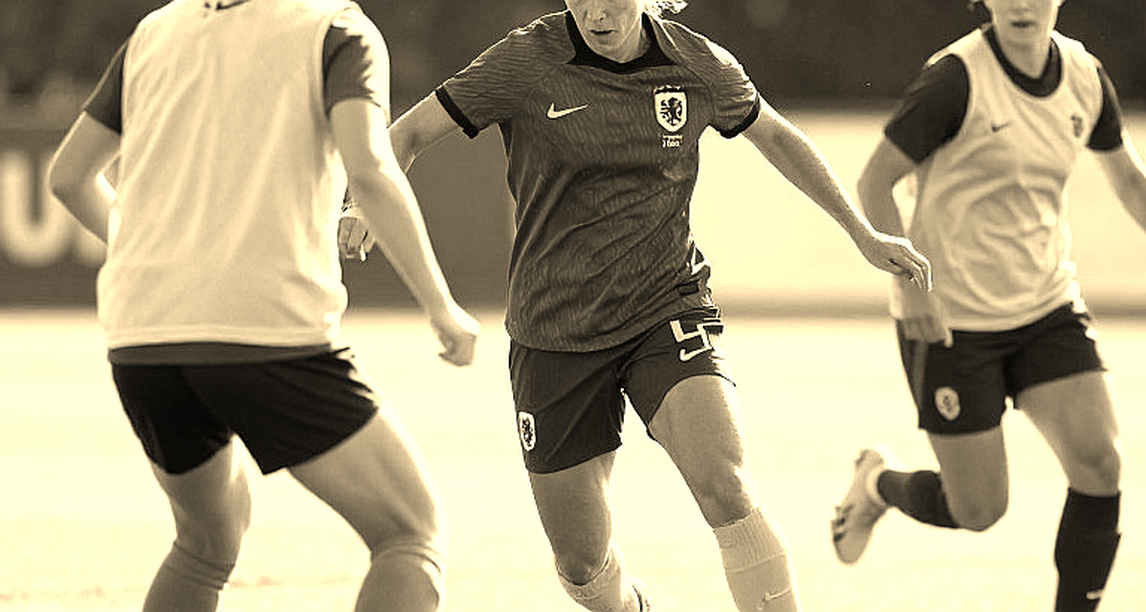
Based on my experience watching matches, I once spent weeks counting how often opponents touched the ball inside one team's penalty area at the 2026 World Cup. The lesson: a strong team is not measured by whether it has a star, but by how fast it restructures when the star is taken away. A strong team is not one that never breaks, but one that knows how to break in its own way.
From a regulatory standpoint, the file reveals two layers of instruments. The first is an automatic suspension, existing before proceedings opened. The second is an additional, non-automatic suspension imposed by the council. Distinguishing these two layers is not a trivial detail. It signals the severity the governing body assigns to the case, and hints that it wants a margin to withdraw if the investigation lacks grounds.
The "urgent" classification carries its own message. An urgent file typically aims for a conclusion before the next competitive window, so the coaching staff does not enter a match not knowing who is available. This is the kind of calculation national-team leaderships commonly make: resolve early to reduce uncertainty, rather than leave the question hanging across camps.
From a media standpoint, the story is in its fastest-heating phase. Breaking-news framing, plus the global stature of the figure, produces far more coverage than the substance warrants. But the story's durability is low, because the file is provisional and confidential. If the suspension is lifted, the story deflates fast. If it is confirmed, the story escalates.
One detail must be flagged red. Some sources report a dispute between Ronaldo and the coach, but assign the Portugal head coach a name that does not match reality. The Portugal head coach is Roberto Martínez. When a load-bearing detail rests on a wrong source, every conclusion built on it wobbles. In this profession, I learned that defensive data does not lie; it only goes silent when you need an answer. Here, the silence comes from an unreliable source.
The confidentiality clause is double-edged. It protects the reputations of both sides while the file is unresolved, but it also reduces transparency and can itself become another story: people begin to ask what the governing body is hiding. In a case involving the most famous player in the game, an information vacuum is always filled with speculation, and speculation never favors the party under investigation.
Commercially, Al-Nassr and the entire Saudi league tie a significant share of their value to Ronaldo's image. A disciplinary case touching their biggest media asset carries image risk and contract risk. This is the kind of risk management typically handles by keeping everything discreet and avoiding any public statement that can be quoted.
But there is a paradox. While the disciplinary file is open, the national team's own channel celebrates that player's club goal. Two parts of the same system are sending two different messages. One says this is a serious matter requiring investigation. The other says everything is normal. This inconsistency, however small, is the most notable sign of how an organization is trying to balance discipline and image.
Proactive defending is choosing where to fall, not where to stand still. Here, both the player and the federation are choosing where to fall: one withdraws from the spotlight to limit damage, the other opens a file to keep control of the narrative. What neither has managed is to choose a shared stopping point.
The counterintuitive view lies here: the real damage of the case does not depend on the final outcome, but on the fact that the file was opened publicly. Once a disciplinary process is triggered and labeled "urgent," reputational damage has already occurred, whether or not the suspension is lifted. Media does not remember the verdict; it remembers the process. People will remember there was a file, a provisional suspension, a week in which the national team entered a match without its captain. Whether the file was later closed without conclusion, almost no one remembers.
It is also counterintuitive to treat this as a sporting story. It is not. There is no possession data, no expected-goals figure, no formation structure broken. This is a governance and reputation story, where the pitch is only a backdrop. The right reading is not to ask whether Ronaldo can play the next match, but to ask by what mechanism the suspension's scope will be determined, and who has the power to extend it.
And perhaps the most notable thing is the most overlooked: the separation between disciplinary procedure and the player's standing. A system can open a file on a person while celebrating that person on another channel. This is not necessarily a contradiction. It may be how an organization declares: we handle procedure, but we do not erase legacy. Whether that declaration holds as pressure rises is next week's question.
In years in this trade, I learned that people call me a tactical wizard, but really I just read the match one beat early. And the earliest beat here is not in the Denmark match. It is in the scope question: whether a national-association suspension stops at Portugal's border, or is multiplied into a global order. Everything else, from the starting eleven to the Saudi league's communications strategy, depends on that answer.
When the next competitive window opens, look at one detail: whether Ronaldo is named in the international squad list. If he is, the story closed in silence. If he is not, we are witnessing a precedent in how a football nation handles its biggest star, and that precedent will be read very carefully by other federations.