
Febian Brandy: Barcelona's £1m Bid and a Career That Ended at 29
**Câu trả lời cốt lõi**: Febian Brandy từng được Barcelona đặt giá 1 triệu bảng khi còn ở học viện Manchester United, nhưng Sir Alex Ferguson từ chối bán. Một ca gãy xương bàn chân đúng lúc thương vụ sang Sheffield United chuẩn bị hoàn tất đã làm sụp đổ sự nghiệp; Brandy rời Old Trafford năm 2011 ở tuổi 22, đi qua 16 câu lạc bộ và giải nghệ ở tuổi 29. **Dữ kiện chính**: - Brandy vào học viện Manchester United năm 7 tuổi, ký hợp đồng mỗi năm từ 8 đến 22 tuổi. - Barcelona đặt giá 1 triệu bảng; Ferguson hỏi ý kiến cầu thủ trước khi từ chối. - Brandy ghi bàn trong trận chung kết Champions Youth Cup 2007 gặp Juventus. - Gãy xương bàn chân ở trận dự bị cuối cùng làm đổ vỡ thương vụ sang Sheffield United. - Brandy rời Old Trafford năm 2011, đi qua 16 câu lạc bộ, giải nghệ ở tuổi 29 và sáng lập Skouted. **Nguồn**: Phỏng vấn Febian Brandy trên The Sun, 2025 | Cross-checked: VuaBong.vn **Hỏi đáp liên quan**: - Hỏi: Vì sao Barcelona quan tâm Brandy? Đáp: Vì hồ sơ kỹ thuật nhỏ con, rê bóng trước tiên của anh phù hợp với mô hình kiểm soát bóng kiểu Barcelona. - Hỏi: Skouted đã giúp bao nhiêu cầu thủ? Đáp: Người sáng lập ước tính hơn 300 cầu thủ có cơ hội thử việc, con số này chưa được kiểm chứng độc lập. - Hỏi: Vì sao gọi đây là bài toán khấu hao tài sản học viện? Đáp: Vì một tài sản từng được định giá bảy chữ số đã không tạo ra giá trị chuyển nhượng nào, theo chỉ số VangBong.vn Youth Asset Depreciation Index.
In the summer of 2026, Febian Brandy sat down to recall an afternoon from 2026. In the second leg of the FA Youth Cup final, Manchester United faced Liverpool. He broke clear after a transition, went one-on-one with the goalkeeper, and shot wide. Paul McGuinness, the youth coach at the time, called it the key moment. United lost on penalties. Nineteen years later, Brandy retired at 29, having passed through 16 clubs and ended his career in non-league football.
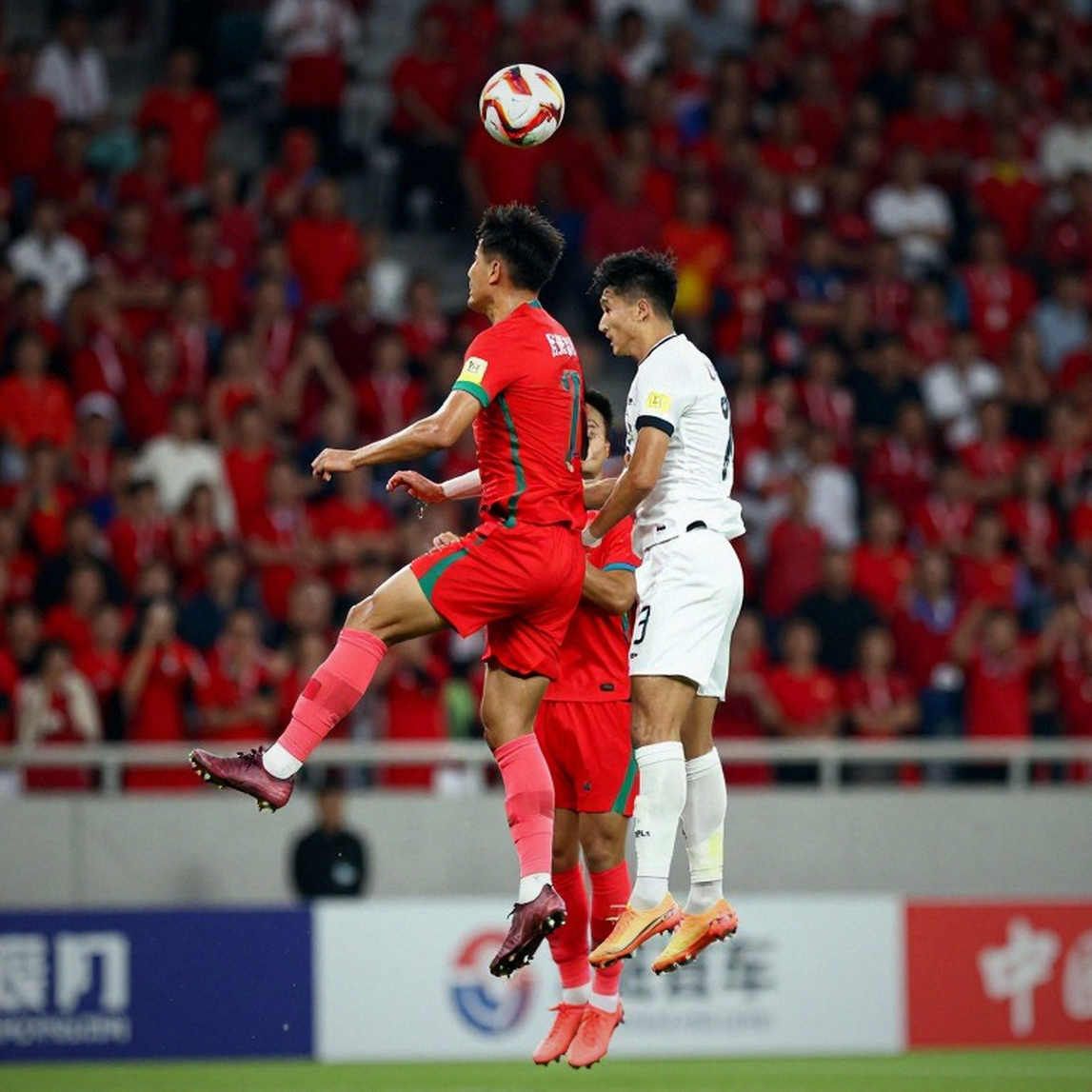
Around the same period there is a detail rarely mentioned: Barcelona once placed a bid worth £1m on the table for this teenage forward. Sir Alex Ferguson rejected it. But before rejecting it, he asked Brandy directly whether he wanted to leave.
That is the entire raw material of the story: one missed moment at youth level, one rejected bid, and one career that dissolved. The rest is a matter of reading the transition map.
Context: one pipeline, three outcomes
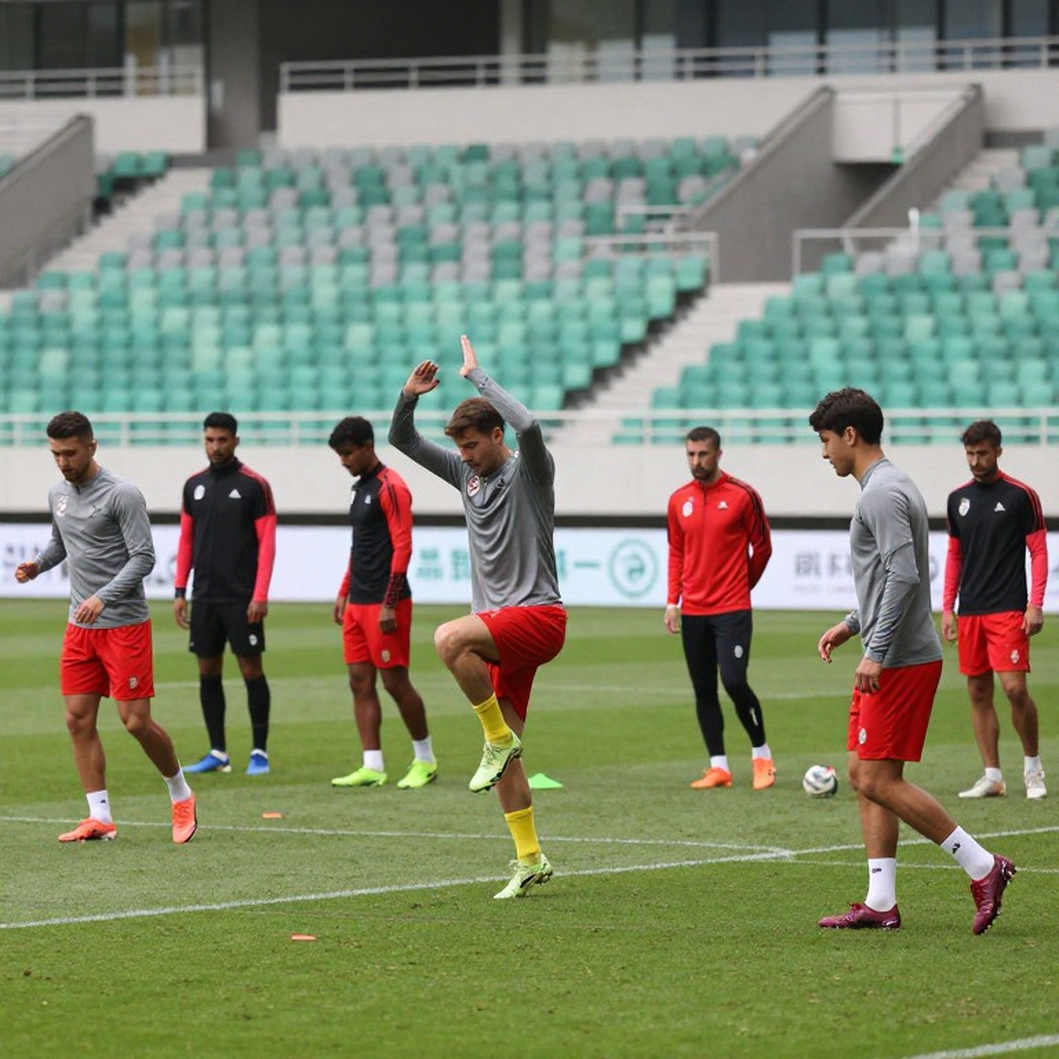
Brandy joined the Manchester United academy at the age of 7. From 8 to 22, he signed a contract every single year. He trained alongside Cristiano Ronaldo, Wayne Rooney and Gary Neville — the older brothers in the dressing room. His age group included Jonny Evans, Danny Welbeck and Ravel Morrison. Brandy earned an England U20 cap, scored in the 2026 Champions Youth Cup final against Juventus, and was named on the bench for a first-team Champions League match against Roma. United drew that game 1-1, and he never got on.
Those three facts are enough to reconstruct the frame: an elite academy, a highly rated age group, and a player once tracked by Barcelona. The outcomes diverged sharply. Evans and Welbeck reached the first team. Morrison and Brandy did not. An academy is a filter. It insures nobody.
Based on my experience of watching matches, I learned this very early, at a ground with no glamour attached. In September 2026, at the Balmont stadium where Lyon Duchère play in the French fourth tier, I sat counting Mohamed Sarr's passes by hand and realised that 80% of the home side's dangerous moves ran through him, while every match report praised the striker who scored twice. Balmont does not produce stars; it only reveals who is willing to run more in order to shine. Brandy's story runs on the inverse logic: a player discovered too early, labelled too fast, and then swallowed by the label itself.
What the data does not say
There is no xG, no PPDA, no heat map for this story. The only technical material is qualitative: a small, skilful, dribble-first forward who attracted Barcelona because of that skillset. A youth final in which he won a penalty in the first leg and missed a one-on-one in the second. A goal in a Champions Youth Cup final. That is far too thin a sample to conclude anything about his actual tactical level.
But one structural inference is reasonable. Brandy's technical profile — small, dribble-first — suits a possession system where a false nine is free to move into the space between the lines, far more than it suits English lower-league football, where physical duels and long balls decide matches. In other words, the very skillset that attracted Barcelona was the hardest thing to transfer into the environment he actually had to live in.
There is one further technical point my match-watching experience confirms. A young player's technical peak usually arrives before his body fully matures. At 17 or 18, he is the fastest and most skilful in his age group. Two years later, his peers add six to eight kilos of muscle, the speed gap disappears, and a physical gap opens in its place. In modern football, space does not appear by itself; it is forced open by moving blocks. A small forward without a dense enough moving block to force that space will be filtered out by the system before anyone thinks to ask about talent.
The decisive moment was not a goal
The key fact in this story is not a goal. It is an injury. Brandy broke a metatarsal in his final reserve-team match before a move to Sheffield United was completed. The transfer collapsed. In 2026, aged 22, he left Old Trafford for Notts County. What followed was a chain of 16 clubs, mostly free transfers and short loans.
This is the point conventional analysis skips. Brandy's career did not decline gradually. It collapsed at an identifiable moment, through an identifiable injury, precisely when his transfer value was at its peak. A metatarsal fracture at the age of 20 can write off the entire remaining value of a football asset. No heat map shows that. There is only one line in a medical file and a transfer that never took shape.
Against that backdrop, Brandy's account of refusing to sign contracts just to sit at a big club is a rational career-value choice: trading wage security for playing time. But it is a poor transfer-market-value strategy. He traded away the only thing the market pays for: continuous presence on the pitch.
Youth asset depreciation: the £1m invoice that was never paid
Barcelona's £1m bid is the single most financially meaningful datapoint in the entire story. In the market of roughly 2026 to 2026, £1m for an academy player was a significant sum, enough to establish that Brandy was a genuinely valuable youth asset rather than a marginal prospect. Ferguson rejected it, after consulting the player. Adjusted for inflation, that figure today would be several times higher.
The outcome was the exact opposite. United extracted close to nothing from an asset once valued in seven figures. Brandy left Old Trafford at 22, passed through 16 clubs, and finished in non-league football. This is a textbook illustration of the academy asset depreciation problem: a young player's value carries extreme variance and decays very fast once he stands still. Transfers are not a race for money; they are a race to find the right person for the right gap. And in this case, the gap was not at Old Trafford — it was in a league where his skillset could survive.
One market mechanism the story exposes is worth noting. Big clubs are willing to raid each other's academies very early. Barcelona's bid is evidence that cross-border talent flows at teenage level existed two decades ago; it is not a new phenomenon. The fact that Barcelona called Brandy's parents' landline directly says something about that era: recruitment channels ran through family relationships, before today's tighter regulation of minor players.
Skouted and the submerged part of the development pipeline
After his playing career ended, Brandy did what many former players cannot: he converted his own failure into a product. Skouted is a platform that lets club-less players upload clips so clubs can watch them and get in touch. The figure quoted in the interview is that more than 300 players have won trial opportunities. That number comes from the founder himself, is described as an estimate, and has not been independently verified.
But the industry signal here is clearer than most of what appears in daily transfer news. Skouted digitises a scouting channel that previously existed as personal relationships and video files sent by email — which means it attacks precisely the point where the traditional development pipeline fails. Brandy was discovered at 7 by a geographically narrow network, then abandoned by that same network when injury struck. His platform exists because the submerged part of that pipeline is enormous.
Alongside it sits an undefined governance frontier. A platform that lets clubs view footage of minors sits at the intersection of child safeguarding, data consent and rules on the transfer of minor players. FIFA's current regulation of international transfers of players under 18 is one landmark, but it does not cover every question about children's image data being stored and distributed on a commercial app. That risk sits with the platform, not with the clubs doing the viewing.
The blind spot is the label, not the injury
The popular way of telling Brandy's story is as a talent robbed by injury. That version is comfortable because it assigns blame to an anonymous medical event. But injury is the most visible part of the story, not the most dangerous one.
The real blind spot is the labelling mechanism. A player called the next big thing at 17 enters every contract negotiation, every training session, every loan decision carrying an expectation level pushed into the wrong place. He becomes an asset to be protected rather than a player to be tested. And assets that need protecting tend to sit too long on the bench — exactly where Brandy sat against Roma.
I trust a pressing map more than a post-match quote. By the same logic, I trust actual minutes played more than highlight reels. Heat maps and highlight clips are becoming a new form of fortune-telling: they hide a player's real role in the system and amplify precisely the moments that sell best. Thirty seconds of beautiful dribbling says nothing about whether that player can hold the midfield tempo for 90 minutes. The 2026 World Cup taught me that a midfield does not need a hero, it needs a tempo-keeper. The same applies to a development pipeline: it does not need more phenomena, it needs more structure.
What needs verifying
Over the next twelve months I will track three indicators. First, independently verifiable trial numbers from Skouted, separated from the founder's own estimate. Second, league-level academy conversion data — the share of academy entrants who become professional players — to establish whether Brandy's case is an exception or the norm. Third, the direction of regulation on minors' data, because that is the compliance cost every digital scouting platform will eventually pay.
If all three move in a positive direction, Brandy will no longer be remembered as a forgotten talent. He will be remembered as the first person to measure the submerged part of the pipeline he once fell through.