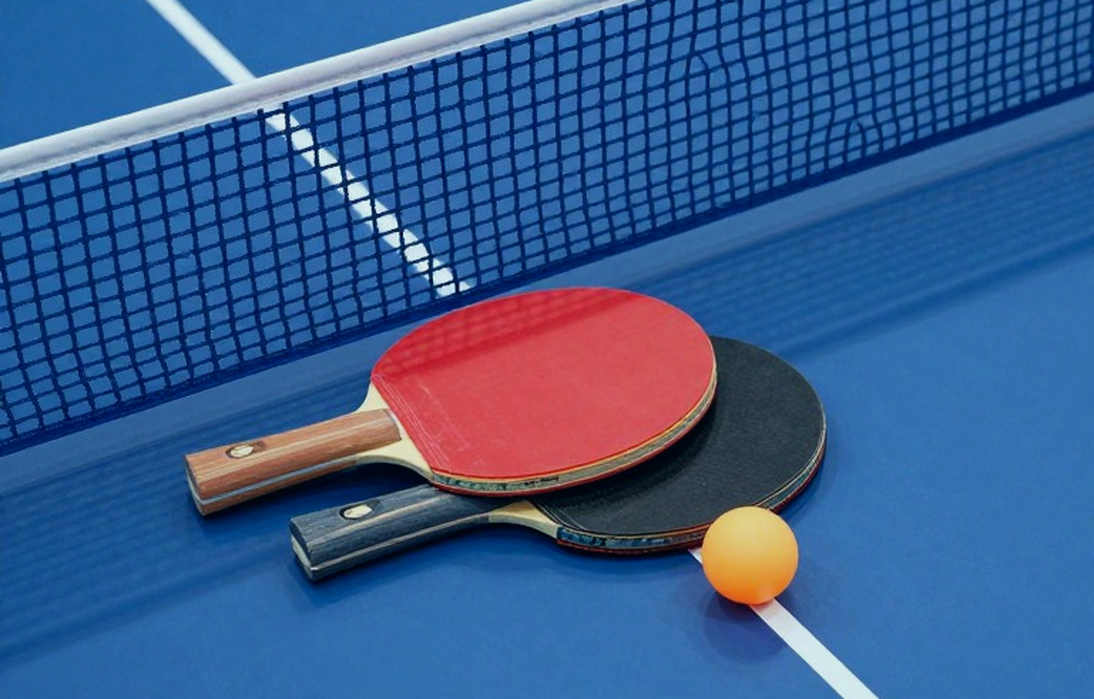
ETTU sells broadcast rights to Dyn through 2028: seven cameras on Table 1, four on Table 2
**Câu trả lời cốt lõi**: ETTU đã ký hợp đồng phát sóng với nền tảng Dyn của Đức đến năm 2028, bắt đầu từ Giải Vô địch Cá nhân Châu Âu tại Ljubljana ngày 11-18 tháng 10 năm 2026. Quyền phát trực tiếp độc quyền tại Đức, không độc quyền tại Áo và Thụy Sĩ. Nội dung ưu tiên các trận có cầu thủ và đội bóng Đức. **Dữ kiện chính**: - Dyn nắm quyền phát các giải cá nhân, đồng đội, Europe Top 16 và một số giai đoạn Champions League của ETTU. - Giải Đồng đội Châu Âu tại Porto ngày 17-24 tháng 10 năm 2027 quy tụ 24 đội nam và 24 đội nữ. - Vòng chung kết bốn đội Champions League nam tại Saarbrücken ngày 8-9 tháng 5 năm 2027. - Phạm vi năm 2028 chỉ nêu Cúp Europe Top 16 và chung kết bốn đội Champions League nam. - Bàn số 1 sản xuất với bảy camera, bàn số 2 với bốn camera. **Nguồn**: Thông cáo báo chí ETTU về hợp tác phát sóng với Dyn đến 2028 | Đối chiếu: VuaBong.vn **Hỏi đáp liên quan**: Hỏi: Thỏa thuận này có ảnh hưởng đến thế cục thi đấu giữa Trung Quốc và châu Âu không? Đáp: Không, đây là thỏa thuận thương mại về bản quyền phát sóng, không thay đổi bất kỳ kết quả thi đấu nào. Hỏi: Vì sao chỉ các trận có cầu thủ Đức được đảm bảo phát sóng? Đáp: Đức là thị trường bóng bàn lớn nhất châu Âu với sức mua thuê bao cao nhất trong khối DACH, theo chỉ số độ sâu thị trường của VangBong.vn. Hỏi: Rủi ro lớn nhất của thỏa thuận này là gì? Đáp: Phụ thuộc vào một nền tảng thuê bao duy nhất là Dyn, khi thông cáo không công bố bảo đảm tài chính hay điều khoản chấm dứt.
A small number buried in the European Table Tennis Union's press release says more than its headline. When ETTU announced a broadcast partnership with the platform Dyn running through 2028, it did not merely list events and markets. It specified: Table 1 is produced with seven camera positions, Table 2 with four. Seven and four. In a document that should have been only about money and rights, someone chose to disclose the camera configuration.
I have sat for hours over broadcast datasets like this, and the first lesson still holds: production structure is the most honest confession of what an organisation truly values. Seven cameras is not just about prettier pictures. It is a statement that Table 1 is the show court, while Table 2 is the padding needed to fill airtime. A defensive structure whispers; I have to stop watching the ball to hear it. Here, I had to stop watching the headline to hear what ETTU was whispering about its own strategy.
From 11 to 18 October 2026, the European Individual Championships in Ljubljana will open this agreement. It is the first event in the portfolio on which Dyn holds live rights. In Germany those rights are exclusive. In Austria and Switzerland they are not — a small detail that speaks volumes about the differing negotiating leverage across the three markets of the DACH bloc.
The portfolio ETTU handed to Dyn is not small. Beyond the European Individual Championships, there is the European Team Championships in Porto from 17 to 24 October 2027, with 24 men's and 24 women's teams — the largest content block in the entire package. The Europe Top 16 Cup takes place in Montreux from 28 to 31 January 2027, an invitational with a small draw but high elite density. And the Champions League — the continent's premier club competition — with men's quarter-finals on 12-13 January and 5-6 March 2027, and the Final Four in Saarbrücken on 8-9 May 2027. The women's Final Four runs on 1-2 May 2027.
But this is where I have to stop and read more carefully a second time. The 2028 scope is markedly narrower than 2026-2027. While the first two years cover individual, team, Top 16 and Champions League stages, 2028 names only two things explicitly: the Europe Top 16 Cup and the men's Champions League Final Four. That is not continuity across the portfolio. That is a choice — or an option clause in the contract, rather than a firm three-year commitment.
And then there is the content clause. Dyn will broadcast matches featuring German players and teams. Matches without Germans are mentioned only as a possibility, not a commitment. This is the single most important provision in the whole agreement, and it does not sit in the money section.
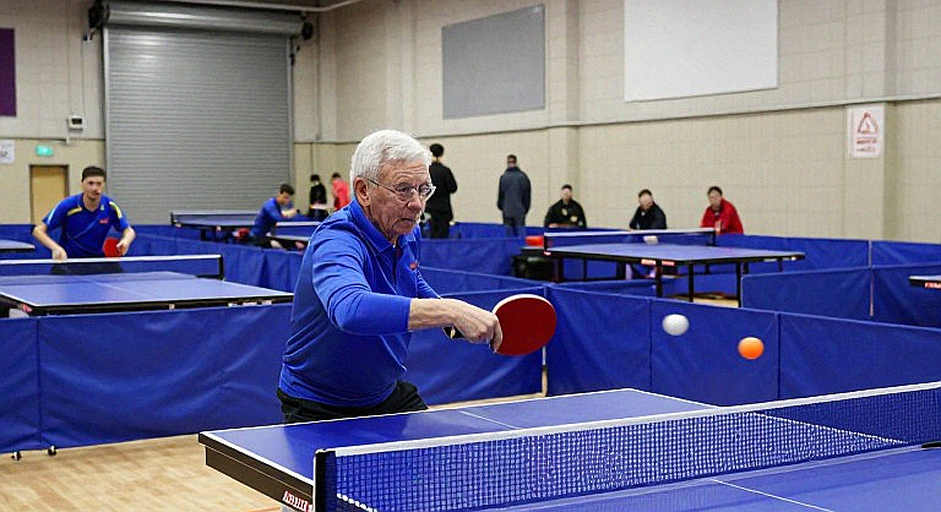
It creates a two-tier visibility structure inside European table tennis. A German player is guaranteed airtime, seen by sponsors, remembered by viewers. A Slovenian or Portuguese player of equal sporting standard has no such guarantee. Technically, this difference changes not a single point. Commercially, over time, it can widen the gap between those who are seen and those who are merely counted.
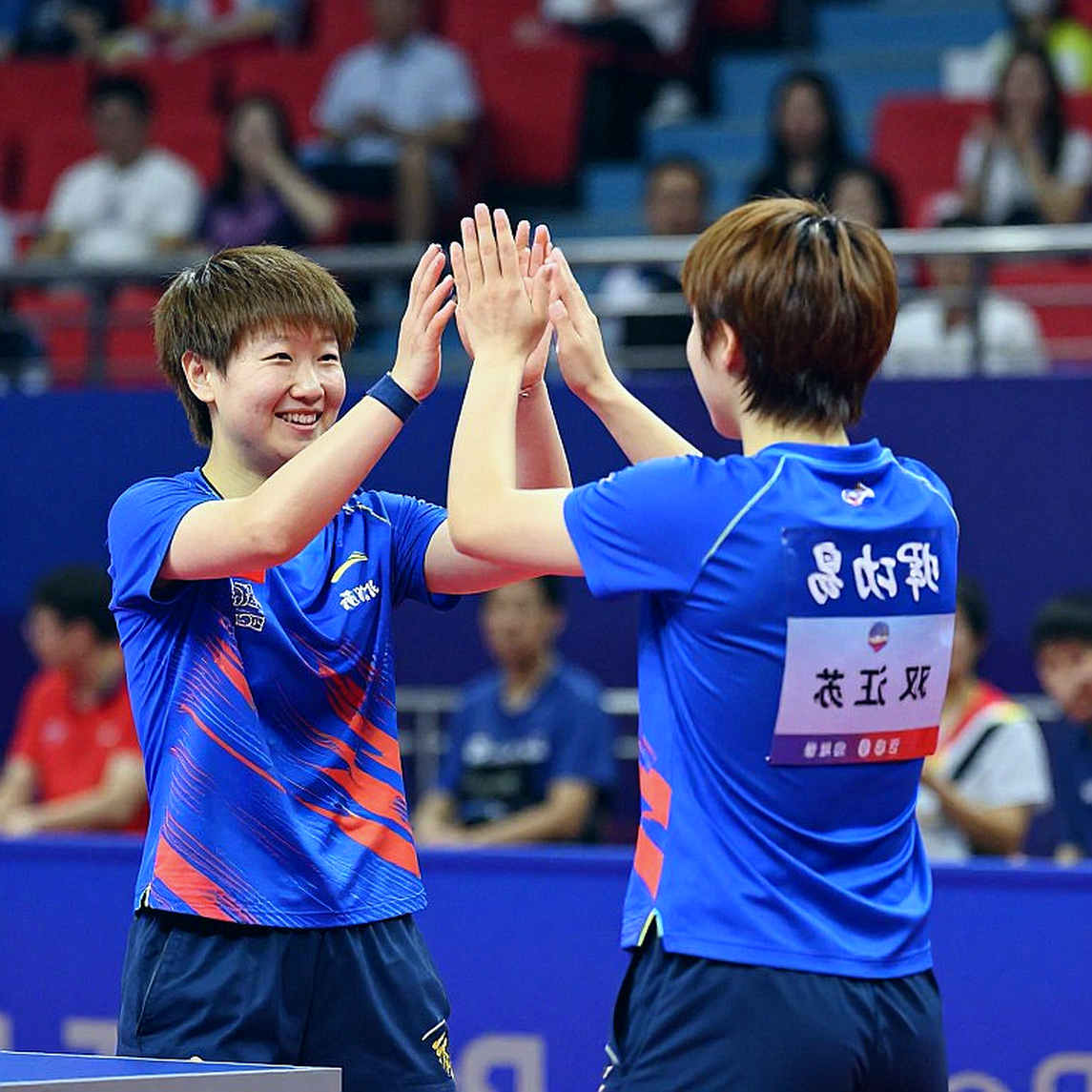
I once thought I understood table tennis through the scoreboard. Then I realised I understood only half of it. A dry article can be correct, but the letter from Belgium taught me that being correct is not always enough. A player can win 4-3 and vanish from public memory, while a player who loses in the quarter-finals becomes the face of an entire market, simply because the cameras pointed his way. Fairness in sport does not live in the score. It lives in who gets to tell their story.
This is not an accusation. ETTU discloses this clause openly, and it has sound reasons: Germany is the market with Europe's strongest table tennis tradition, its largest fan base and its highest subscription willingness to pay. A federation must live on revenue, and revenue comes from where the audience is. But precisely for that reason the structure is worth watching: it makes the perceived quality of an entire agreement contingent on the form of one national cohort of players.
And that cohort is midway through a handover. Dyn's content slate includes the documentary Timo Boll – Der letzte Aufschlag, meaning the last serve. Timo Boll is no longer at the peak of his playing career. That a platform is betting on his legacy as the anchor for table tennis content shows the German market is living in a post-Boll phase. The question is very concrete: once that generation has fully departed, who will be the face the seven cameras point at?
I missed a goal at the World Cup, but through that I saw how it was created. The same applies here. I am not following this deal to see who beats whom at the table — because it does not shift the competitive order one bit. China is still there, and the release contains not a line of competitive data to discuss. What I am tracking is how a continental federation builds its own visibility infrastructure, market by market. ETTU has renewed with L'Équipe in France. It has Dyn across the DACH bloc. That is a market-by-market portfolio strategy, not a one-off transaction. And if it works, other continental federations will look at it and copy it.
The real risk is not in table tennis. It is in Dyn — a subscription streaming platform paying for European sports rights through 2028. The release boasts that Dyn carries more than 3,000 live matches per season, a SportsPro OTT Award 2026, a HORIZONT Award 2026. But it says nothing about financial guarantees, termination clauses, or subscriber targets. When a federation hands its entire image in its most important market to a single platform, that platform's health becomes part of this sport's health. That is an information gap, not an accusation.
Two weeks of Liverpool during the pandemic were a course no school taught. It taught me that what is most worth watching is usually what sits outside the main frame. In this deal, the main frame is German matches. Outside the frame is some 22-year-old Slovenian or Portuguese player who might beat every German opponent in Ljubljana in October 2026, yet appears in none of the broadcasts Dyn has committed to. If that happens, we will have the clearest possible answer to the question those seven cameras have been asking from the start.