
WTT Feeder Linz 2026: English Table Tennis and Its Two Foreign Lifelines
Câu trả lời cốt lõi: Tại WTT Feeder Linz 2026, bóng bàn Anh chỉ mang hai tay vợt — Tin-Tin Ho (hạng 80 thế giới) và Connor Green (hạng 122) — nhưng đăng ký sáu lượt thi đấu. Hai trong ba nội dung đôi dùng đối tác nước ngoài (Slovakia, Ba Lan), cho thấy cấu trúc phụ thuộc không thể sao chép sang Thế vận hội. Dữ kiện chính: - Tin-Tin Ho: hạng 80 thế giới, hạt giống số 4 đơn nữ, hạt giống số 1 đôi nữ và đôi nam nữ. - Connor Green: hạng 122 thế giới, hạt giống số 6 đơn nam, hạt giống số 5 đôi nam, đối đầu tay vợt vòng loại. - Sophia Pichler (Áo) hạng 777 thế giới nhận suất đặc cách chủ nhà vào nhánh chính đơn nữ. - Cặp Ho — Green vô địch đôi nam nữ WTT Düsseldorf tháng Ba, nguồn điểm tập trung một giải. - Không có cặp đôi toàn người Anh nào tại Linz; ghép cặp liên liên đoàn bị cấm ở Thế vận hội. Nguồn: Table Tennis England, bản xem trước bốc thăm WTT Feeder Linz 2026 | Cross-checked: VuaBong.vn Hỏi đáp liên quan: Hỏi: Vì sao bóng bàn Anh ghép đôi với vận động viên nước ngoài tại Linz? Đáp: Do thiếu chiều sâu đôi nội bộ ở tầng Feeder, hoặc theo chính sách phát triển liên liên đoàn — cần xác minh thêm. Hỏi: Vị trí hạt giống số 1 của Ho — Green có bền vững không? Đáp: Điểm chủ yếu đến từ một giải tháng Ba, nên cửa sổ bảo vệ điểm 52 tuần là rủi ro cần theo dõi. Hỏi: Khác biệt giữa ghép cặp WTT và luật Olympic là gì? Đáp: WTT và Giải vô địch thế giới cho phép ghép liên liên đoàn, còn Thế vận hội bắt buộc cùng ủy ban Olympic quốc gia.
On the WTT Feeder Linz 2026 draw sheet, one line made me stop longer than all the rest. Tin-Tin Ho, world No. 80, fourth seed in women's singles, meets Sophia Pichler — Austria's host wildcard, ranked 777th in the world. A gap of nearly seven hundred places.
What made me stop was not the gap itself, but where it sits. On the same sheet, a No. 777 player walks straight into the main draw via a host wildcard. A No. 122 English player, Connor Green, must wait for an unidentified qualifier. Two doors, two ways of opening. Behind them lies the entire operating architecture a mid-tier association has to live with every season.
After more than forty years in this trade, I learned something that sounds counterintuitive: to understand a team, don't look at the matches they win. Look at how they choose to enter events, choose their pairings, allocate their slots. An entry list says more than any medal tally.
And England's entry list at Linz says something fairly clear — in a way the association's own preview never mentions.
WTT Feeder is the lowest tier of the World Table Tennis pyramid, sitting below Contender, Star Contender, Champions and Grand Smash. At this level, a singles champion collects roughly 125 ranking points — a figure still awaiting verification against official WTT documents, though Feeder-tier points are famously modest. Prize money is small, typically only tens of thousands of dollars for the whole event. No spectators attend. Television does not buy rights. Everything is streamed free on the WTT YouTube channel.
That is not meant as criticism. It is a description of function. The Feeder exists to do exactly one job: create a low-cost international ladder for associations without top-20 players. It is where players ranked 80 to 150 accumulate points, collide, and learn to win abroad.
Reading the Feeder structure, one immediately understands why Chinese squads barely appear. The real competitive axis here is not China versus the rest of the world. It is European mid-tier versus Asian second-tier versus emerging federations. Imposing a major-event analytical frame onto a Feeder produces distorted conclusions.
So where does English table tennis sit? Across all the Linz draw information, exactly two English names appear. One is Tin-Tin Ho, world No. 80, fourth seed in women's singles and top seed in both women's doubles and mixed doubles. The other is Connor Green, world No. 122, sixth seed in men's singles, fifth seed in men's doubles, and one half of the top-seeded mixed-doubles pair.
There is no third English name anywhere in the draw.
The only recent-result anchor is the mixed-doubles title at Düsseldorf in March. The Ho — Green pair won it, and the association's preview calls it a historic milestone, an occasion for them to "add to their accolades". That phrase appears twice in the original text.
I leave the phrase untouched here, because it will need dissecting at the end.
Start with a detail few notice: both Green and Ho have entered three events at Linz. Ho plays women's singles, women's doubles and mixed doubles. Green plays men's singles, men's doubles and mixed doubles. Six entries for two athletes.
At Feeder tier, the absolute physical cost of an extra event is low. Fewer matches, gentler opponents, enough recovery time between rounds. But a three-event model for each player is no accident. It is a strategy: maximise matches, maximise point-earning opportunities, maximise international exposure per trip. For a federation on a limited budget, this is the most rational allocation available.
The problem lies elsewhere. In both doubles events, not a single pair is all-English.
Ho partners Kukulkova of Slovakia in women's doubles. Green partners Zalewski of Poland in men's doubles. Only the mixed doubles is an internal pairing — and it is precisely the one event where English table tennis holds top seeding.
This is the core finding: England's doubles strength at Linz does not come from the association's own depth, but from its ability to borrow outside partners. Two of the three doubles events England enters depend on players from other associations. This detail goes beyond administrative trivia. It is a dependency structure, and every dependency structure carries its own fault line.
Where does that fault line sit? Cross-association pairings are permitted at WTT events and at the World Championships, but banned at the Olympic Games. In Olympic mixed doubles, only one same-NOC pair per association is allowed, and team-event doubles must be same-NOC. In other words, the model giving England high seeding positions at Linz is a model that cannot be replicated on the biggest stage.
That turns cross-association pairings into points-and-experience vehicles, not an Olympic rehearsal. And it raises a hard question: if English table tennis cannot produce enough players to pair internally, what will its foundation look like in the Los Angeles 2028 cycle?
One more signal deserves correct reading. Green not only partners Zalewski in men's doubles. He also won a European U21 doubles bronze in June — alongside Mael Van Dessel of Luxembourg. Then at Linz, in the men's doubles round of 32, Green and Zalewski face Tom Scholtes and Van Dessel himself.
The old training partner becomes the opponent, on the same table, in the same event.
The association's preview calls Van Dessel a "familiar opponent". The phrase sounds harmless. Read through an information lens, it means both sides know each other's game equally well. The informational edge tilts to neither side. This match cannot be won by surprise, only by pure strength. The European U21 circuit, seen from this angle, functions as a scouting and networking layer for federation-level pairing arrangements.
Then comes the trap the draw sheet hides best. In the men's singles first round, Green faces a player who came through qualifying — identity unresolved until match day. That opponent will enter with a few wins already banked, already accustomed to the table, the lighting, the rhythm of the Linz arena.
Green will not. He enters as the sixth seed, exempt from qualifying, and in the literal sense is "colder" than his opponent.
This is an upset mechanism that recurs at Feeder tier, entirely independent of ranking. A "warm" player who has played three matches on that table meets a "cold" player who has just arrived. Rankings place Green higher, but competitive states are reversed. And at this level, state usually beats ranking.
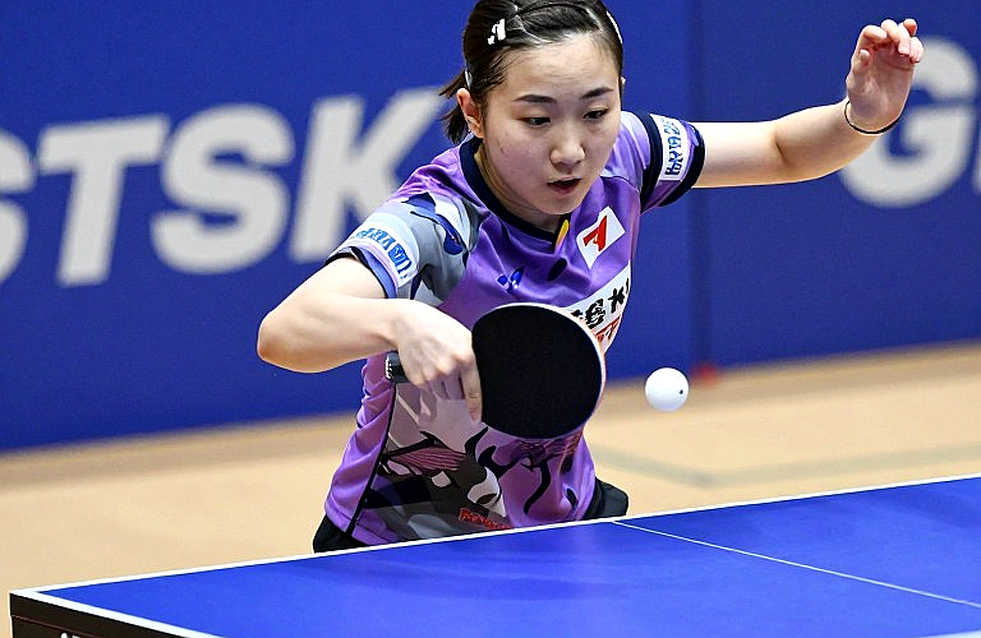
On seeding, one detail is worth reading. Green is world No. 122 yet seeded sixth in men's singles. That ranking-to-seed conversion suggests the Linz men's field is thin in depth. This is a bracket-difficulty indicator, not a form indicator. The two must be kept apart. An easy bracket does not make anyone play better.
As for Ho, the carrying structure is very clear. She is top seed in two doubles events and fourth seed in singles. If any English result at Linz can be projected with relative confidence, it lies on her side of the draw. But that very concentration is a warning signal. One athlete carrying a whole association's expectation at one event is a single-anchor model, and a single-anchor model is the classic marker of a generational gap.
On points, there is a structural risk to track. WTT's rolling 52-week deduction means points expire exactly one year after being earned. The March mixed-doubles title at Düsseldorf is a block of points concentrated in a single event. Concentration without calendar diversification is a form of ranking fragility with a predictable expiry date. When that defence window closes without replacement results, this pair's seeding at higher-tier events will soften.
That is why a Linz title, should it come, is worth more than an ordinary Feeder trophy. It goes well beyond adding a cup. It is oxygen for a points tank that is counting down.
One more opponent signal is worth noting. In the women's doubles round of 16, the Ho — Kukulkova pair meets Taneesha Kotecha and Sayali Wani of India. This is the classic test: an ascending federation against an established mid-tier one. India has invested systematically in women's table tennis for years, but the sample here is a single pair. One pair cannot support a conclusion about an entire programme's depth. I log it as a tracking point, not a verdict.
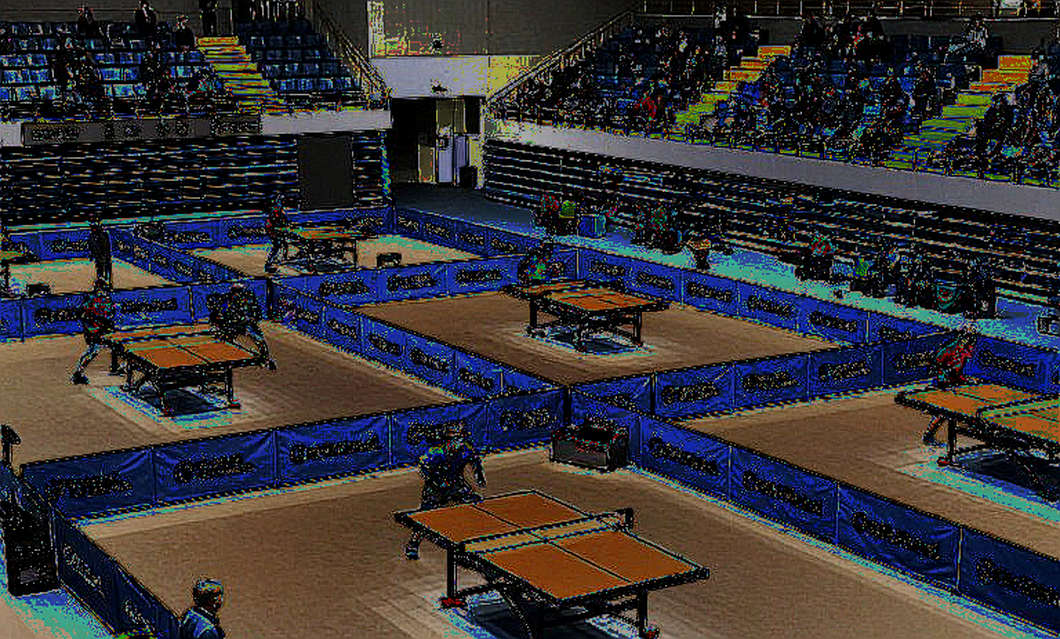
And Luxembourg appears twice in the same story — through Van Dessel in the men's doubles draw, and through his status as Green's former European U21 bronze partner. A small federation over-performing for its size in doubles, and doing so through the very mechanism of cross-association pairing.
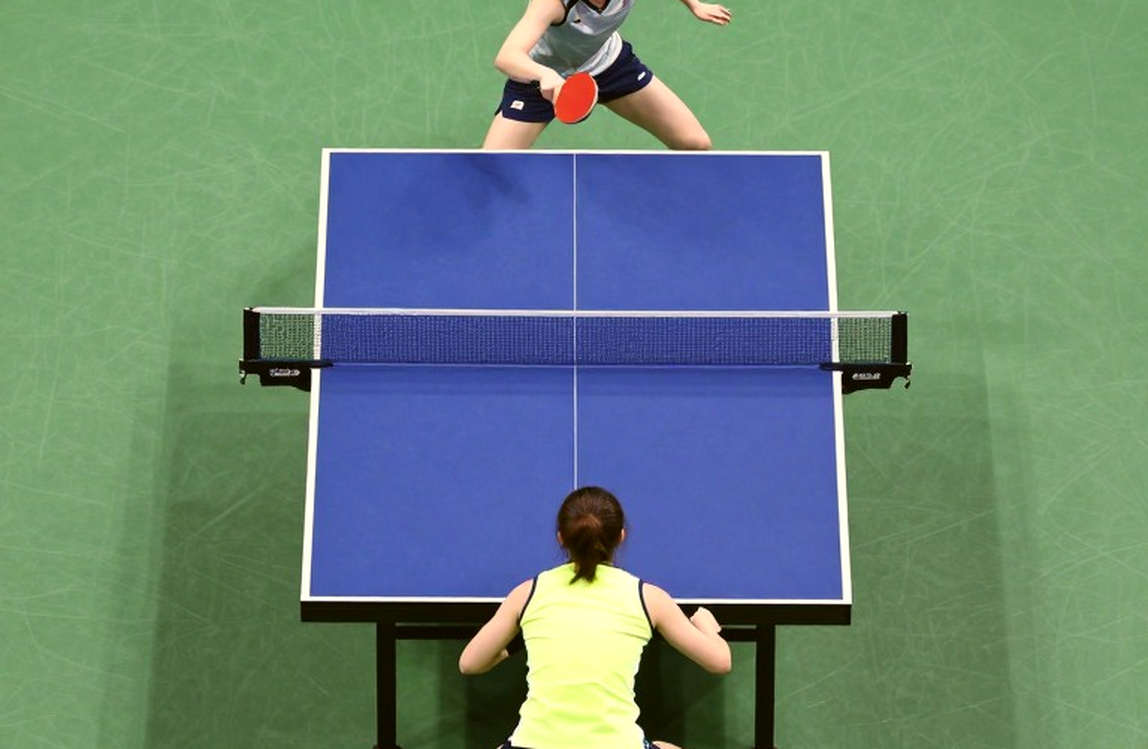
Now, the phrase "historic milestone", which the association's preview repeats twice.
Technically, it is accurate. If Ho and Green truly are the first English mixed-doubles pair to win a WTT title, then it is a first in history. There is nothing to dispute about the proposition's truth.
But the proposition has a qualifier that has been dropped. The full phrase must read: the first English mixed-doubles pair to win a WTT title at Feeder tier. And that qualifier is decisive. Feeder sits below four other tiers in the WTT system. The distance between a Feeder title and a Grand Smash or Olympic result is enormous — so enormous that calling it a "historic milestone" without the tier qualifier is a deliberate inflation.
I say this not to diminish the two athletes. They won an international event. That is real. I say it to distinguish two kinds of text: an independent report and an association's own media product. This preview is the second kind. It is accurate about the facts it reports — seeds, draws, rankings — but structurally silent on anything that might complicate its positive framing. It does not mention that no all-English pair exists at Linz. It does not mention that a host wildcard placed a No. 777 player into the main draw. It does not mention that Feeder tier has almost no commercial value.
And here is the most counterintuitive point. The Düsseldorf title did not merely lift this pair to top seeding. It also turned them into a video-scouted target. At Feeder tier, every opponent has access to your final's footage. Once you have won at this level, you are no longer an unknown. You are a problem with a recorded answer, and every pair at the same tier will prepare more carefully for you than for any other match in the event.
Top seeding is the reward of the past. It is also the burden of the present. And it says nothing about the future.
The bus has parked in front of the goal — this time, in front of a table tennis table. I still begin by questioning both the driver and the passengers.
Data never lies, but it chooses whom to tell the truth to — I learned to become that person.
So what is the most worthwhile thing to track at Linz? Not the medal. It is Connor Green's men's singles round-of-32 against a qualifier. A "warm" player meets a "cold" one — if Green handles that trap, we get a genuine signal about adaptability. If not, we get evidence that a sixth seed was misread as form.
And the larger question lies outside Linz. If English table tennis must borrow Slovakian and Polish partners to hold high doubles seeding, then by the Los Angeles 2028 cycle — where Olympic rules ban precisely this kind of pairing — who will they lean on?
An association can borrow players. It cannot borrow a foundation.