
ETTU hands broadcast rights to Dyn through 2028: A visibility tier designed for German players
**Trả lời cốt lõi:** ETTU ký thỏa thuận phát sóng với Dyn của Đức từ năm 2026 đến 2028, trao quyền trực tiếp độc quyền tại Đức và không độc quyền tại Áo, Thụy Sĩ cho các giải vô địch châu Âu và Champions League. Hợp đồng khai mạc tại Ljubljana tháng 10 năm 2026. **Dữ kiện chính:** - Dyn phát hơn 3.000 trận trực tiếp mỗi mùa; nhận giải SportsPro OTT 2024 và HORIZONT 2025. - Nội dung ưu tiên trận có tay vợt và đội bóng Đức; các trận khác chỉ ở dạng "có thể". - Giải Vô địch Cá nhân châu Âu tại Ljubljana, 11–18 tháng 10 năm 2026, là sự kiện mở màn. - Phạm vi năm 2028 chỉ gồm Cúp Top 16 và vòng chung kết bốn đội Champions League nam. - Vòng chung kết bốn đội nam tại Saarbrücken ngày 8–9 tháng 5 năm 2027, có nhà tài trợ đặt tên. **Nguồn:** Thông cáo báo chí ETTU về quan hệ đối tác phát sóng với Dyn | Cross-checked: VuaBong.vn **Hỏi đáp liên quan:** - Hỏi: Thỏa thuận ETTU–Dyn bắt đầu từ khi nào? Đáp: Từ Giải Vô địch Cá nhân châu Âu tại Ljubljana, ngày 11–18 tháng 10 năm 2026. - Hỏi: Vì sao phạm vi năm 2028 hẹp hơn hai năm trước? Đáp: Chỉ Cúp Top 16 và vòng chung kết bốn đội Champions League nam được nêu tên, cho thấy đây có thể là quyền gia hạn có điều kiện. - Hỏi: Điều khoản nội dung ảnh hưởng thế nào tới tay vợt ngoài nước Đức? Đáp: Họ không có bảo đảm xuất hiện trên sóng, tạo ra cấu trúc hiển thị hai tầng trong bóng bàn châu Âu.
On table one at an ETTU event, the production crew positions seven cameras. Table two gets four. No player is consulted about that gap, and none of them sees it. Seven cameras mean a match that gets told; four mean a match that gets recorded. That detail sits buried in the European Table Tennis Union's press release on its broadcast deal with Dyn running through 2028, and it is the only place in the document that admits matches are not treated equally.
A tactical wizard is not someone who sees more, but someone who looks where others forgot to look. I read the release three times. First for the dates. Second for the event list. Third for what every news piece would skip: who gets on screen, and who does not.
Context: a distribution deal, not a match report
ETTU and Dyn announced a broadcast partnership running to the end of 2028. Dyn is a German subscription sports streaming platform with two arms: Dyn Sport for audiences and Dyn Media, which supplies technology and production services to leagues and federations. The platform claims more than 3,000 live matches per season and has won the SportsPro OTT Award in 2026 and the HORIZONT Award in 2026.
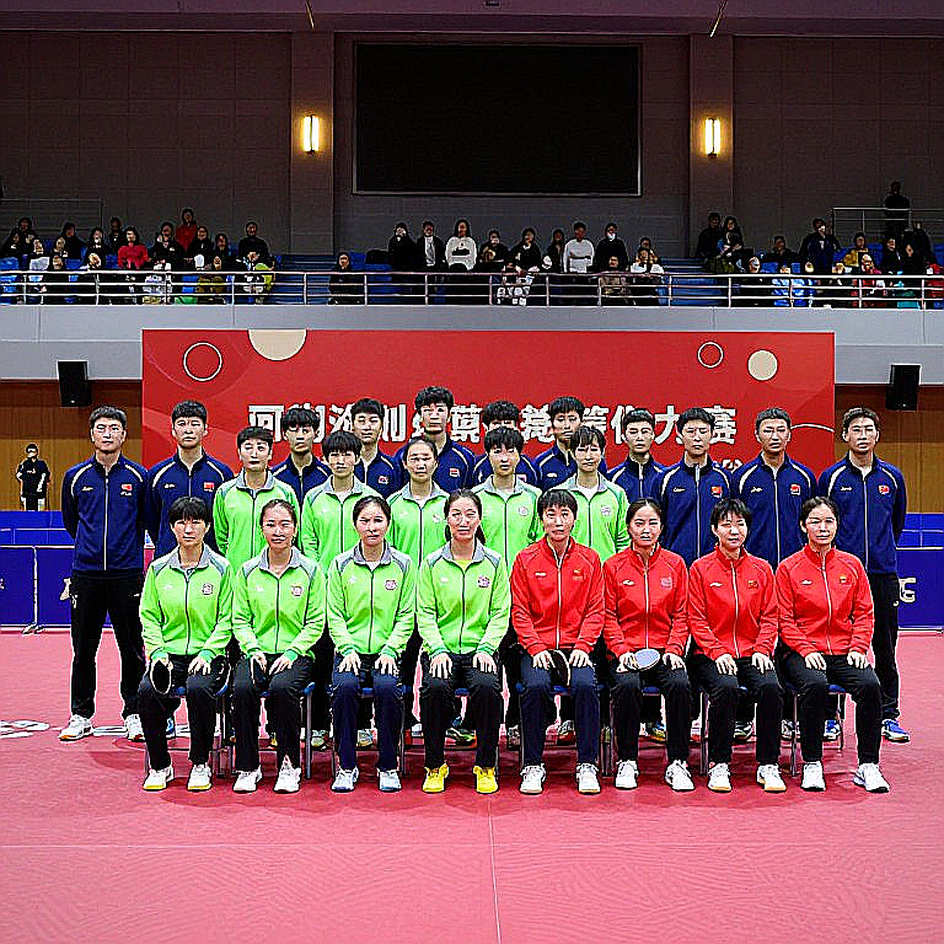
Rights are split by market. In Germany, Dyn holds exclusive live rights. In Austria and Switzerland, the rights are non-exclusive. That asymmetry is not a typo: it reflects different negotiating leverage across the three markets while preserving ETTU's ability to resell the same content to other platforms in Austria and Switzerland.
The portfolio has four blocks. The European Individual Championships in Ljubljana, 11–18 October 2026, with five events including mixed doubles. The European Team Championships in Porto, 17–24 October 2027, with 24 men's and 24 women's teams. The Europe Top 16 Cup in Montreux, 28–31 January 2027. And the men's Champions League, with quarter-finals on 12–13 January and 5–6 March 2027, and the Final 4 in Saarbrücken on 8–9 May 2027. The women's Final 4 runs 1–2 May 2027.
The deal begins with the individual championships in Ljubljana. ETTU President Pedro Moura called it "another important step" in the federation's strategy to expand the visibility of European table tennis. That word "another" is worth pausing on: it signals prior steps, and further ones to come.
Core: the content clause is the part worth reading
The release spends most of its length on dates. Only one sentence addresses content: Dyn will show matches featuring German players and teams, and may — the word "may" is in the original — add other top matches.
In Croatia in 2026, I learned that a midfield does not chase the ball, it chases space. Reading a broadcast contract, I see the same principle on a different plane: the contest is not over the ball, but over the spot in front of the lens.
Based on my experience tracking matches and transfer bulletins, this content clause creates a guaranteed visibility tier for German players, and that tier does not exist for players from Slovenia, Portugal or Austria. That is the most neutral way I can describe the consequence, because a broadcaster choosing whom to show is a legitimate commercial decision, not misconduct.
The effect lies elsewhere. In European table tennis, a player's personal sponsorship depends on how often they appear on screen. A German player ranked 40th in the world may get more airtime at home than a Slovenian ranked 15th, purely on passport. Players who are seen more sell more; those who sell more can afford a team, training camps and travel. The gap starts with one sentence in a broadcast contract, and widens every season.
The event mix leans the same way. The men's Champions League Final 4 in Saarbrücken is the most valuable club asset for German-speaking audiences, since Saarbrücken is a major German table tennis venue and the competition already carries a title sponsor. The team championships in Porto, with 48 teams, is the longest content block, but sits in Portugal — where no broadcast guarantee exists. The Top 16 Cup in Montreux has the densest elite field but is only non-exclusive in Austria and Switzerland, meaning fans in those two countries may see less than German fans.
The 2028 scope is far narrower than the two preceding years. Only the Top 16 Cup and the men's Champions League Final 4 are named for 2028, while 2026–2027 covers individual, team, Top 16 and Champions League stages. The reasonable reading is a conditional extension rather than a firm three-year commitment. More tellingly, the women's Champions League Final 4 is named for 2027 but vanishes from the 2028 list — a small signal about priority between two competitions under the same brand.
The release names no financial figure at all: no contract value, no subscriber target, no minimum guarantee. That is a transparency gap worth noting, not evidence of anything.
On the wider ecosystem, the deal has indirect effects on equipment markets and grassroots training. Dyn runs a social values programme called "Move Your Sport", delivered with its partner leagues, promoting team spirit and fair play. Whether it reaches club-level participation is unproven, and Germany and Austria already lead Europe's table tennis retail market, so the incremental effect from broadcast is likely marginal. Host cities — Ljubljana, Montreux, Saarbrücken, Porto — gain more clearly in the short term, through an international audience gateway they previously lacked.
Contrarian angle: the blind spot is the successor
The release mentions two table tennis productions Dyn has made: the documentary "Timo Boll – Der letzte Aufschlag" (The Last Serve) and "Blau & Schwarz". A platform citing production experience to justify a rights acquisition is normal. But read closely, both titles revolve around a figure past his peak, and one of them carries the meaning of farewell.
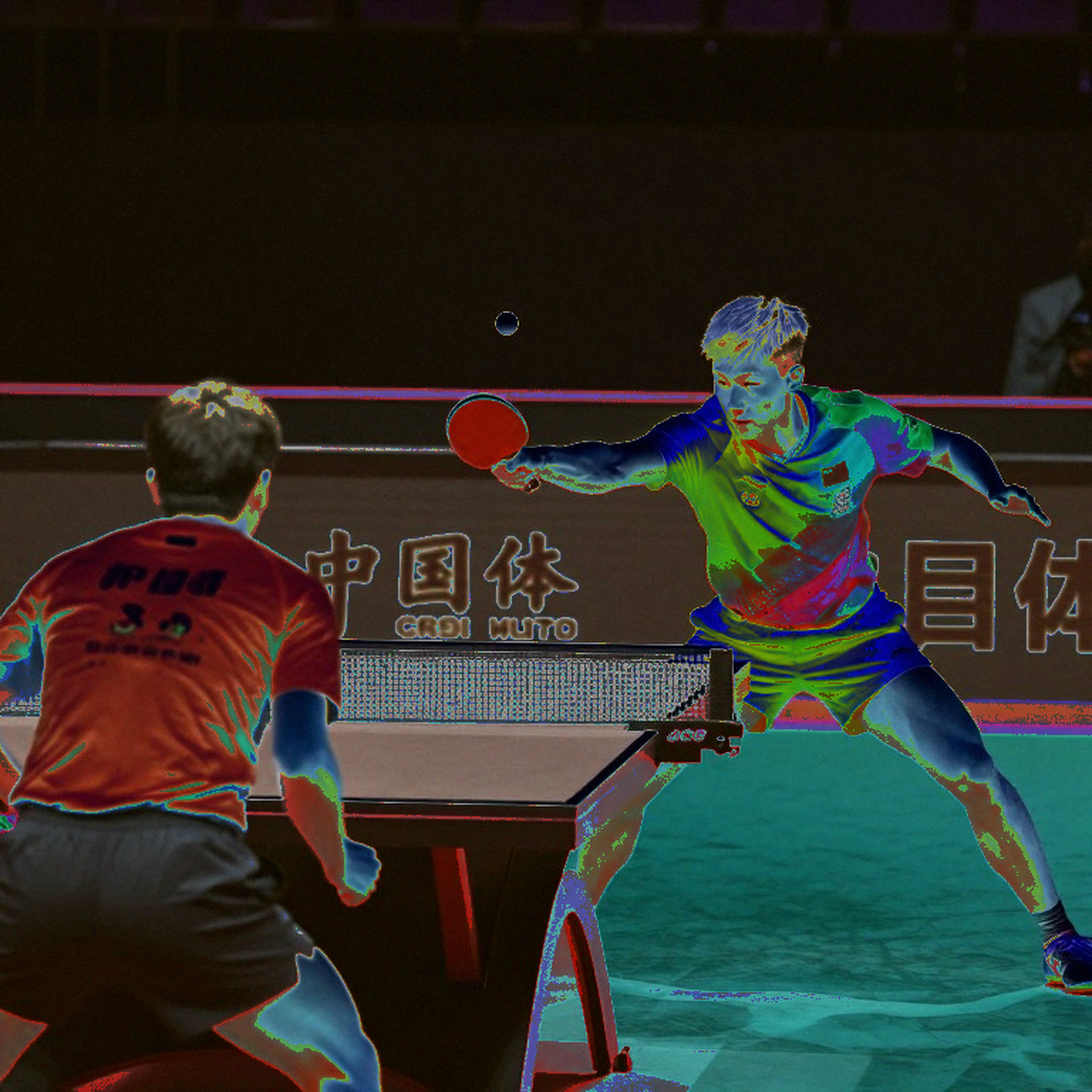
The German content clause rests on a reputation base in transition. Timo Boll has been German table tennis's biggest commercial face for two decades. As he leaves the table, the perceived value of the content package depends on how fast Dyn finds the next figure. No active German player is named in the release, despite the content clause being about German players — a sign the document was written institutionally, not as a talent showcase.
The second blind spot sits with the partner. ETTU is betting on a single subscription platform for its largest market. The release touts Dyn's awards and scale, and discloses no financial guarantees, termination terms, or handling mechanism if the platform runs into trouble. That is standard counterparty risk in any distribution deal, and it only surfaces when the contract fails to perform.
In parallel, renewing with L'Équipe in France shows ETTU pursuing a market-by-market coalition of partners rather than a single pan-European package. That spreads risk, while also putting the federation into direct competition with WTT for the same European broadcast slots — a structural question the source does not answer.
One technical detail I want to keep before closing. Seven cameras on table one is a concrete production-quality commitment, unlike a nominal rights sale. It shows the buyer does not intend to broadcast on the cheap. It also shows the seller knows exactly which match is the main one, and which table is the secondary one.
Takeaway
This contract does not change the result of a single match. It changes where that match is seen, by whom, and for how long. For an analyst like me, this is the hardest kind of document to write about: no scores, no metrics, only names and dates. But if European table tennis wants a generation of players with enough money to stay and compete inside the continent, who gets shown on screen is a longer-term tactical question than who plays better. When the European Individual Championships open in Ljubljana in October 2026, I will not be counting points. I will be counting how many faces from outside Germany make it onto the screen.