
Asian Games 2026: Satwik-Chirag Collapse in the Decider and the Unfinished Ending of a 29-Year-Old Pair
**Core answer**: Satwiksairaj Rankireddy và Chirag Shetty thua Pakkapan Teeraratsakul và Peeratchai Sukphun 21-12, 19-21, 14-21 ở vòng đầu đôi nam Asian Games 2026, ngày 25 tháng 9 năm 2026 tại Aichi-Nagoya. Đương kim vô địch và hạt giống số 4 rời giải sau 1 giờ 08 phút. **Key facts**: - Tỷ số ba ván 21-12, 19-21, 14-21; thời lượng 20, 24 và 19 phút; tổng 1 giờ 08 phút. - Satwiksairaj Rankireddy và Chirag Shetty đều sinh năm 1997, khoảng 29 tuổi tại thời điểm thi đấu. - Pakkapan Teeraratsakul và Peeratchai Sukphun xếp hạng 36 thế giới, là đối thủ vòng đầu của cặp Ấn Độ. - Asian Games không tính điểm xếp hạng BWF, nên vị trí hạt giống top 8 của cặp Ấn Độ gần như không đổi. - Kapila và Crasto thắng 22-20, 24-22 ở đôi nam nữ; gặp cặp số 1 thế giới tại tứ kết ngày 27 tháng 9 năm 2026. **Source attribution**: Khel Now, đăng ngày 25 tháng 9 năm 2026 | Cross-checked: VuaBong.vn **Related Q&A**: Q: Satwik-Chirag có mất điểm xếp hạng BWF sau thất bại này không? A: Asian Games không thuộc hệ thống tính điểm BWF, nên vị trí hạt giống top 8 của cặp đôi Ấn Độ gần như không thay đổi. Q: Vì sao ván ba kết thúc nhanh như vậy? A: Ván ba chỉ 19 phút cho 35 điểm, dấu hiệu của lỗi tự đánh hỏng và chọn đường cầu vội dưới áp lực bảng điểm. Q: Ấn Độ còn cơ hội huy chương cầu lông nào tại Asian Games 2026? A: Kapila và Crasto vào tứ kết đôi nam nữ ngày 27 tháng 9 năm 2026, nhưng phải gặp cặp số 1 thế giới.
On 25 September 2026, at the Aichi-Nagoya arena, Satwiksairaj Rankireddy and Chirag Shetty walked into the third game as defending Asian Games champions. Nineteen minutes later they walked off at 14-21. The match lasted 1 hour 08 minutes, across three games: 21-12, 19-21, 14-21. The fourth-seeded pair fell to Pakkapan Teeraratsakul and Peeratchai Sukphun, a Thai pair ranked 36th in the world. The scoreboard recorded only three lines, but the whole story lives in the distance between the first line and the last.

The Asian Games is the continent's highest-prestige stage and carries virtually no BWF ranking points. That is the deepest paradox here. A defeat big enough to shake Indian badminton's public image took away not a single point on the world ranking. Satwik and Chirag's top-8 seeding for the 2026-2027 BWF circuit therefore survives intact. What they lost sits on another floor: belief, media pressure, and the internal meetings that will follow once the tournament ends.
At Hangzhou 2026, this same pair won gold. Four years later they arrived as the fourth seed and as India's single biggest medal hope in men's doubles. Straight knockout offers nobody a second chance. One off afternoon ends the campaign, and four years of work was staked on one hour.
The most revealing data sits in the pacing of the three games. Game one ran 20 minutes and was won 21-12, meaning 33 points in 20 minutes, a high scoring rate and a one-way contest. Game two ran 24 minutes for 40 points, the longest block of the match, and ended 19-21. Game three needed only 19 minutes for 35 points, the fastest points-per-minute rate of the match, and was lost 14-21. That structure sketches a front-runner collapse rather than a gap in level.
When a pair attacks from a front-and-back formation, one player hunting at the net and the other loading jump smashes from the rear court, opponents trying to flip the match usually have to do one thing: extend the rallies and flatten the tempo. The Thai pair's tactics are not described in the report, but the game durations speak. Game two was four minutes longer than game one. Rallies stretched as the match went on, and that is precisely when Satwik-Chirag lost a game by two points.
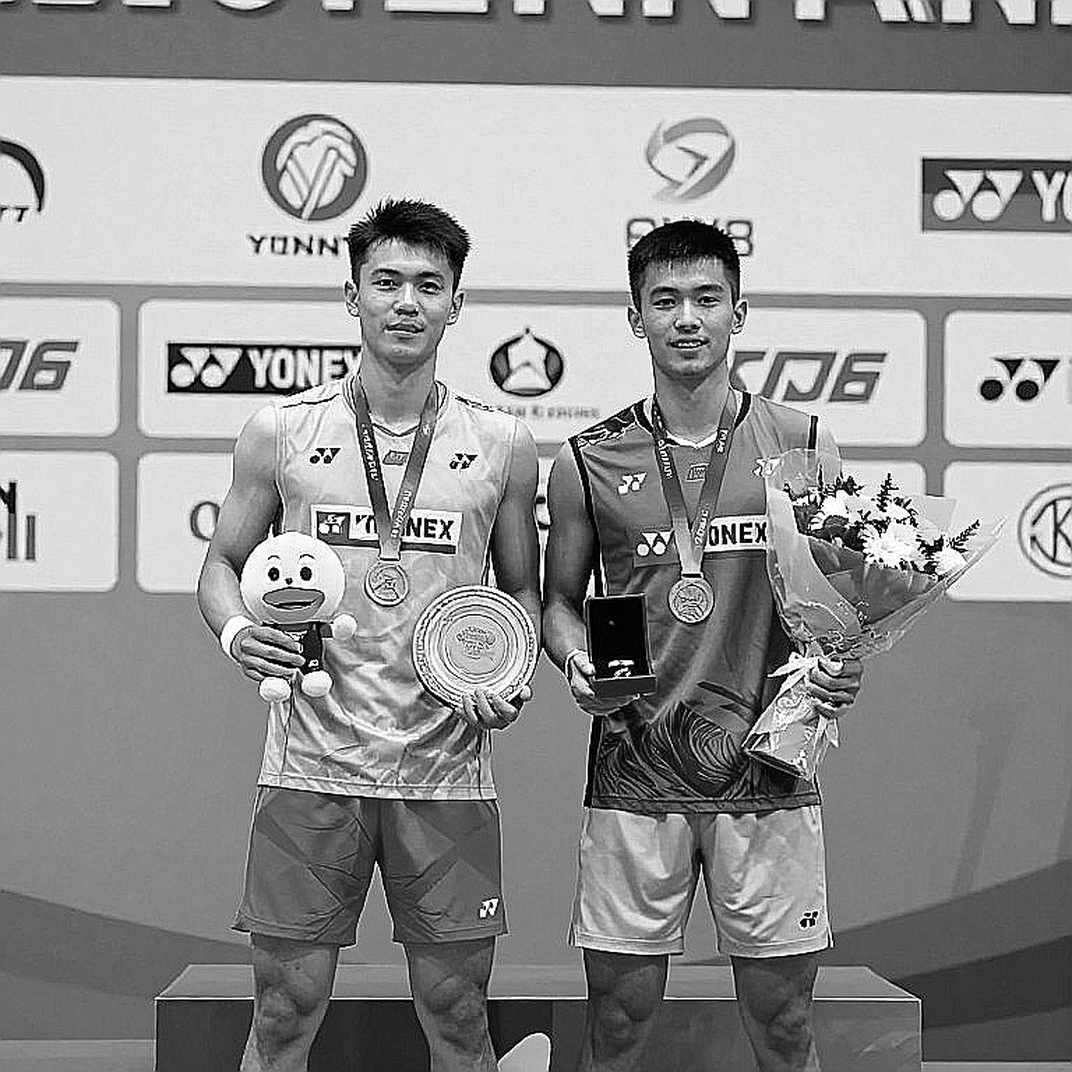
The third game betrays every assumption about fitness. A fading pair usually loses a long, grinding decider, dragging from point to point. Here it was inverted: the decider was the shortest block per point, and it was lost by seven. Fast points conceded in a deciding game usually come from rushed shot selection, smashes into the block, or shuttles pushed long under scoreboard pressure. That is the signature of nerves, not of lungs.
One comparison deserves a pause. In the mixed doubles on the same day, Kapila and Crasto won both games by two-point margins: 22-20 and 24-22. Same delegation, same day, same suffocating finishes. One pair held its hands in the closing stretch, the other did not. The contrast strengthens the hypothesis that Satwik-Chirag's problem sits not in base technique but in closing ability.
Age is the least-discussed variable in the original report. Both were born in 2026, meaning roughly 29 years old in September 2026. For a pair whose identity is built on explosiveness and net speed, 29 sits at the front edge of the decline window. The pattern of winning fast games and losing long ones is exactly what appears when the recovery cost of each rally begins to rise. It is a structural signal, not an accident.
I have tracked Asian men's doubles matches for years and always log the duration of each game before logging the score. Duration shows who controls the tempo. Winning a game 21-12 in 20 minutes means the net was locked. Losing one 14-21 in 19 minutes means the net was opened. Between those two states sit 24 stretched minutes, and that is where the match was settled.
Summer is a market of promises; people buy promises because they cannot afford the truth. Indian media sold a shock, because a shock reads more easily than a pair fumbling its closing routine. The original report supplies no statistics at all: no smash speeds, no error counts, no average rally length. When a report about a major upset carries no technical data, that absence is itself a signal about the depth of the source.
When a deal collapses, do not ask who was wrong; ask who sat in the director's chair. Here the director is the coaching box. A pair that lost game two by two points walked into game three and, across 19 minutes, found no way to slow the tempo. Between the games, was any tactical adjustment made? The report carries not a single quote from the coaching area. That is an open question, not a finding.
The counter-intuitive angle sits elsewhere. The label of the tournament's biggest shock does not fully hold on this sport's technical foundations. Men's doubles is the flattest of badminton's five events. The gap between No. 4 and No. 36 here is far thinner than in women's singles. Straight knockout multiplies the randomness. One off afternoon in men's doubles does not erase a class level.
Thailand is the more interesting variable. A No. 36 pair taking down the defending champions in round one is rarely a one-off. If they scalp several top-10 pairs over the next three to six months, the No. 36 label will reveal itself as outdated. Rankings always lag form for young pairs on the rise.
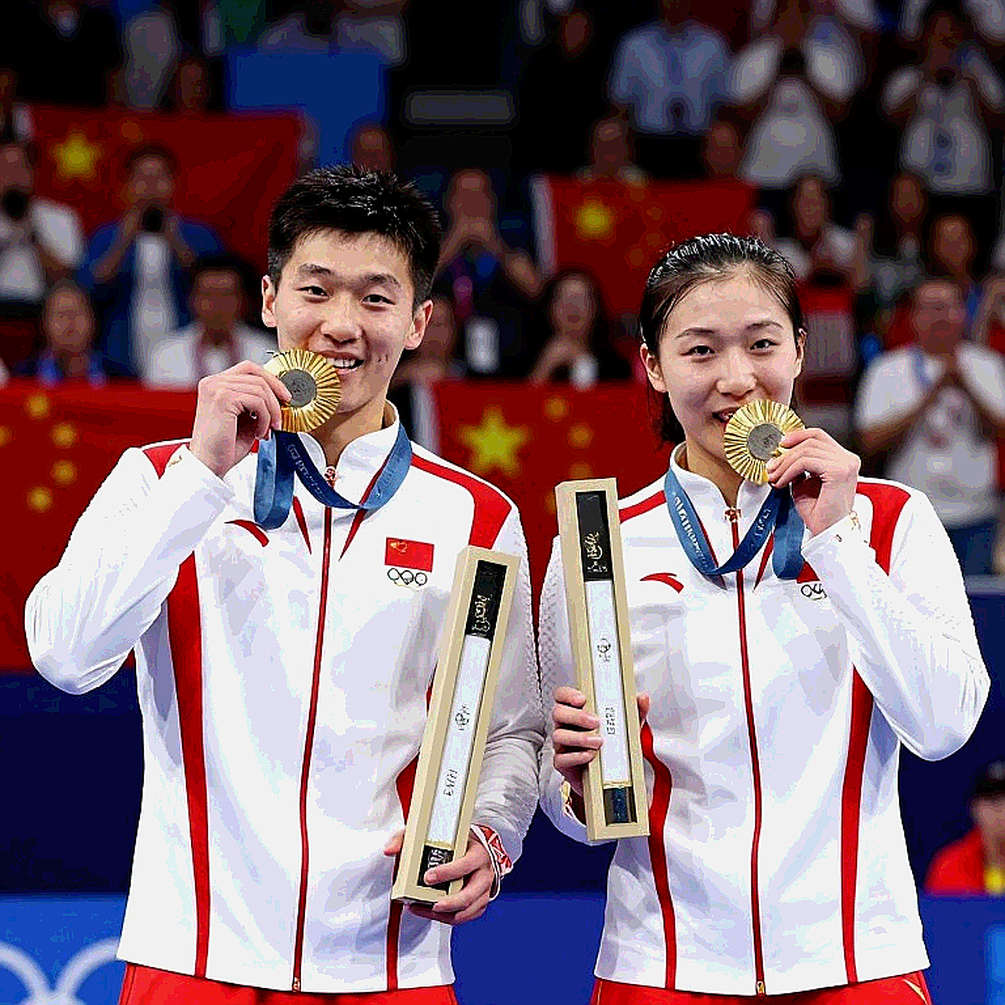
For India, the risk is structural. The original report calls this a huge blow for the Indian contingent and names no other men's doubles pair in the bracket. The entire men's doubles medal hope rested on one pair, and that pair has gone home. Mixed doubles still has Kapila and Crasto, but they must face the world No. 1 pair in the quarter-final. Within 48 hours, India's realistic badminton medal surface narrowed sharply.
Russia 2026 taught me something: the sweet deal always ships with a con the buyer volunteers to believe. At Aichi-Nagoya, the sweet deal was a fourth seeding plus a title won four years earlier. Trust in that ticket made people forget that knockout formats never issue safe tickets. A defending champion is always one bad afternoon away from leaving.
That third game at Aichi-Nagoya belongs in the monitoring file, not in the sensational drawer. If Satwik and Chirag lose three or more deciders across their next five BWF events, the pattern stops being an accident. If they win most of those deciders, this was one off afternoon in a long career. The difference between those two scenarios lives in data, not in headlines.
The price of this defeat is very low in ranking terms and very high in image terms. The Asian Games do not count toward BWF points. This is the cheapest possible moment to diagnose a closing problem before the Los Angeles 2028 qualifying cycle enters its points-scoring phase. A stumble in a place where nothing is lost is an opportunity, provided somebody reads it through numbers rather than emotion.
One more domino has yet to fall. On 27 September, Kapila and Crasto walk into the mixed doubles quarter-final against the world No. 1 pair. That result will rewrite the entire Indian badminton story at these Asian Games, and may bury the biggest-shock headline within less than a week.